 Brand
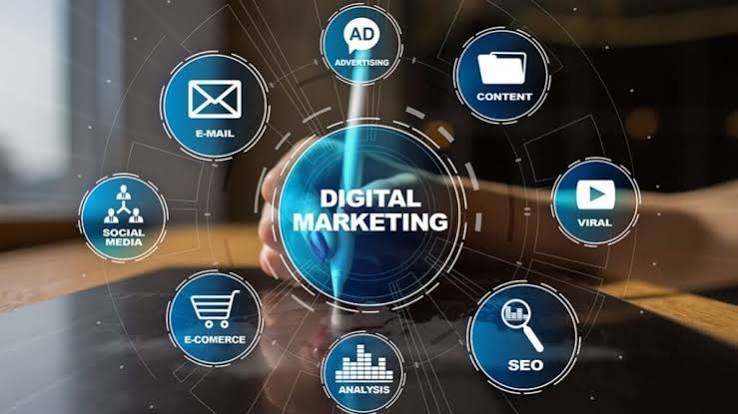
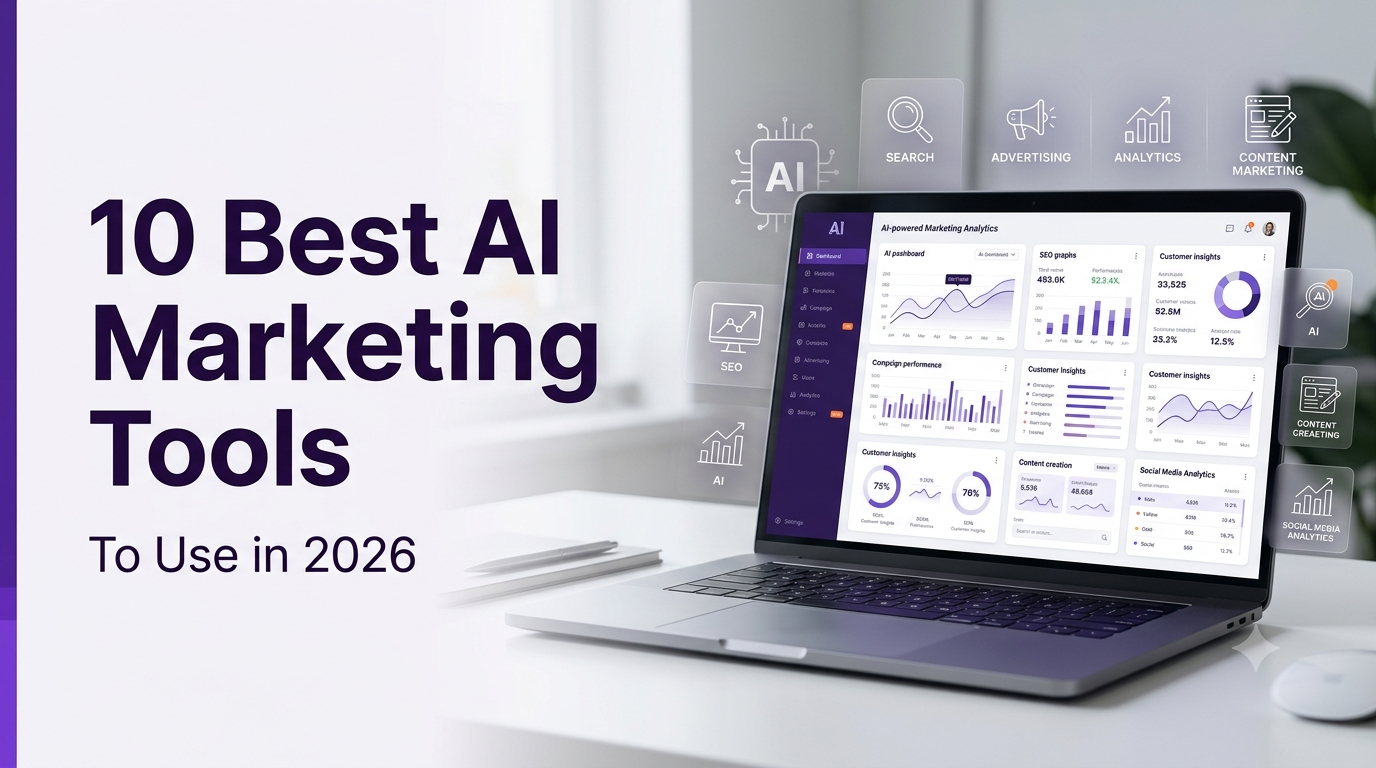
AI has moved fast. It is not a little extra help anymore; it is now a huge part of daily marketing work. In 2026 marketers use AI for everything. They "use it for search, ads making content grouping customers running campaigns and looking at data". Other tools like HubSpot and Semrush are also adding AI features. These help marketers understand customers and see how brands show up in search and AI search.
"Google is an example". Google is putting Gemini into places like Search, YouTube, ads and measurement. Other tools like HubSpot and Semrush are also adding AI features. These help marketers understand customers and see how brands show up in search and AI search.
There is one thing I think marketers should remember: AI should help your plan not replace your plan.
AI is great at doing the tasks over and over. It is good at looking at piles of info finding patterns and making many versions of the same content. However the final choices should still come from people. You need people who actually know the brand the customers and the business.

Here are 10 AI tools to think about in 2026 based on the marketing problems they solve.
1. HubSpot Breeze – Marketing and Customer Intelligence
Function: CRM-based marketing, personalization and campaign automation.
I have found HubSpot Breeze very helpful, for marketing teams that already use HubSpot to keep track of customer and campaign data because the AI works with the CRM marketers can use that data to find people who might buy things. They can group audiences, make messages feel personal and help with customer chats. HubSpot Breeze can also help marketers see how their brand shows up in answers made by AI.
Key capabilities: Campaign assistance, audience segmentation, personalization, customer agents and AI-search visibility.
Practical use case: B2B marketing team could find visitors who look ready to buy. They can put those people into a group and send them a helpful email instead of just sending the same newsletter to everyone.
Price tier: The price changes a lot depending on which HubSpot products and features a company wants to use.
Limitation:HubSpot Breeze is only as good as the info in your CRM. If your customer data is old or missing pieces, the advice from HubSpot Breeze might not be very helpful.
2. Semrush – Competitive Intelligence
Function:Search visibility, competitor research and AI-search optimization. Semrush is more than a tool for finding keywords now. It has grown to include looking at competitors seeing how visible you are in search and tracking how brands show up in AI search results. For marketers Semrush is great for checking competitor keywords, links, ads. Even seeing which questions or prompts make people talk about your competitors in AI answers.
capabilities: Keyword research, SEO audits, competitor analysis, AI visibility tracking, content research and market insights.
Practical use case: An SEO manager could look at their site next to three competitors. They can see where those competitors show up in AI results and then make new content to fill those gaps.
Price tier: Semrush has paid plans. Semrush One starts at about $199 per month.
Limitation: Semrush can give a marketing team a mountain of data. The hard part is turning all that data into a list of things to actually do.
3. Google Gemini – Research, Analysis and Campaign Planning
Function: Research, data analysis, content assistance, brainstorming and campaign planning. Google Gemini is getting more useful for marketers because it works with everything Google does. It can help with research looking at data coming up with ideas writing content and helping plan campaigns.
Key capabilities: Market research, competitor research, data analysis, content creation, brainstorming, campaign planning and task automation.
Practical use case: A marketing manager could upload data from a campaign. Ask Google Gemini to find changes in sales. They can ask it to compare groups of people and find questions to talk about in the next meeting.
Price tier: Google has versions and paid versions, including options for businesses.
Limitation: Do not let Google Gemini make the decisions. Marketing teams still need to check what it says especially if the data you give it's messy or incomplete.
4. Adobe Firefly – Creative Production and Video Generation
Function: AI-assisted image, video, audio and creative production. Adobe Firefly is much more than making images. Its AI can help with parts of being creative. This includes editing photos making videos working with audio making mood boards and other creative tasks.This is perfect for marketing teams that have to make a lot of stuff very quickly.
Capabilities: Text-to-image generation, generative fill, video creation, audio tools, creative variations and integration with Adobe products.
Practical use case: A media team getting ready to launch a product could make many different ideas. They can change backgrounds for apps and make short videos before giving the best ones to a designer to finish.
Price tier: Adobe Firefly has options from free plans to big business plans. In India Firefly Standard is ?798 per month.
Limitation: You still need a human to look at anything made by AI. You cannot leave things like brand rules, product details or legal stuff entirely to Adobe Firefly.
5. Klaviyo AI – Customer Personalization
Function: Customer segmentation, email and SMS automation and personalized marketing. Klaviyo has added AI to its customer data and marketing workflows. It helps marketers see how customers act group them into segments write content and automate emails and text messages. For people running stores these features make it much easier to talk to customers in a personal way without doing everything by hand.
Capabilities: Customer behavior prediction, AI-powered segmentation, recommendations, automated flows and campaign assistance.
Practical use case: An online shop could find customers who're likely to buy something soon. They can automatically put them in a group. Send them specific product ideas instead of just a boring generic email.
Price tier: The price mostly depends on how contacts you have and which features you use.
Limitation: Klaviyo AI works best when you have customer data. It is not a replacement for a CRM or a good e-commerce setup.
6. Sprout Social – Social Media Listening and Management
Function: Social media management, audience engagement, listening and performance analysis. Running media is about more than just posting. Teams also have to watch what people are saying, answer customers see how people feel about a brand and check if things are working. The AI in Sprout Social helps with making posts listening to media answering customers and looking at data.
Capabilities: Post scheduling, social listening, sentiment analysis, writing assistance, engagement management and reporting.
Practical use case: A brand manager could watch what people are saying about a product. They could find questions or complaints and use those ideas to plan what they post next week.
Price tier: Sprout Social is a paid tool made mostly for teams and businesses.
Limitation: AI can sometimes miss the point. It might not understand sarcasm, jokes or complicated complaints. You still need a human to check what is happening.
7. Jasper – Brand-Consistent Content Production
Function: Producing marketing content at scale. Jasper was made specifically for marketing teams. Its biggest strength is that it helps you create content while keeping your brand voice and campaign needs in mind. Of making every single post from scratch teams can use one main idea and turn it into many different things.
Capabilities: Blog writing, campaign content, ad copy, brand voice management content repurposing and marketing workflows.
Practical use case: A content team could take one research report and turn it into a blog post some LinkedIn posts, emails and ads. Jasper helps keep the message the same across all of them.
Price tier: The price depends on which plan you pick and what your business needs.
Limitation: Jasper saves time. It does not do the research for you. The marketer still needs to make sure the research is true, helpful and right for the people reading the content.
8. Canva AI – Fast Marketing Asset Creation
Function:. Editing marketing designs without requiring advanced design skills.Canva is great for marketing teams that need to make lots of pictures and designs fast. Its AI helps with design ideas making images, writing, changing backgrounds making presentations and resizing things. This is a help when you need the same ad to look good on many different websites.
Capabilities: AI design assistance, image generation, background editing, presentations, social media content and quick resizing.
Practical use case: A small team running ads on Instagram and LinkedIn could make one design. Then they can use Canva AI to change the size so it fits perfectly on every platform.
Price tier: Canva has plans and paid plans, including options, for teams.
Limitation: Canva is very fast and easy. If a business has very complicated brand rules they might still need to hire a professional designer.
9. Google Ads AI – Campaign Optimization and Performance Marketing
Primary function: Optimizing parts of paid advertising campaigns. AI is becoming a bigger part of Google Ads. Google keeps adding AI features for Search and Shopping campaigns. These new tools help with tasks such, as locating the people who create ads and ensuring that Google Ads campaigns run smoothly. I believe that the main goal of these tools is to cut down on the work that comes with managing advertising campaigns.
Capabilities :automated targeting, ad variations, bidding, campaign recommendations and AI?assisted advertising.
Practical use case: A marketer can give Google Ads goals and brand rules. Then the marketer can let the platform test ways to target people and different ad variations. While the platform does this the marketing team can just watch the results.
Price tier: Using Google Ads AI features does not require payment, for an AI subscription. Google Ads AI features do not require an AI subscription.
Limitation: Automation will not build a strategy for you. If you set up your conversion tracking, campaign goals or business objectives the way Google Ads AI might try to reach the wrong goal.
10. Google Analytics 4 + Gemini – Marketing Decision Support:
Looking through data is something where AI can save marketers a lot of time. Of a person sitting there reading dozens of reports marketers can use AI tools to find changes, patterns and things that might need fixing. Google is also putting Gemini into more of its marketing tools. This helps marketers understand their data and find ways to grow.
Capabilities: Performance analysis, anomaly detection, audience insights, forecasting and cross-channel measurement.
Practical use case: Imagine a marketing manager sees that leads have suddenly gone down. Of checking every single report by hand the manager can use AI to see which channels, campaigns or audience groups changed. Then the manager can use those facts to decide where to move the marketing budget.
Price tier: I have found that Google Analytics 4 is free to use. When you need tools, for large companies you can use Google Analytics 360.
Limitation: Analytics tools can show you patterns in your data. That does not mean one thing caused another. People still need to make the calls. You still need input from the marketing team, sales team, business leaders and the market.
I think the best AI marketing setup for 2026 will be the one that fits easily into how a team works. There is no point, in using a tool just because tool has an AI feature. For example a team might use Semrush for SEO when a team wants to increase visitors. Our team also watches what our competitors are doing every day. Our team also watches what our competitors are doing every day. We will use HubSpot or Klaviyo to keep track of all the customer data. When it comes to making images our team will use Firefly or Canva. To handle our media our team will use Sprout Social. Our team will also use Google Ads to run ads. We will use Analytics to run and track our campaigns. My main goal is to make sure we do not use AI simply because we can. I do not want to use AI simply because we can use AI. I feel that using AI should be, about benefit, not just a novelty. The real win is using AI to make decisions in less time.
AI can help marketers look at piles of data make many versions of an ad find new chances to grow and do the same tasks over and over.. The marketers who truly know their customers, their brand and their market will always be ahead.
An AI recommendation is only good if it actually works for the business. That is why the real edge, in 2026 is not just owning AI tools. The real edge is building a way of working where AI does the chores. This lets experienced marketers spend their time on strategy being creative understanding customers and making the decisions that help a business grow.


0 Comments
No comments yet. Be the first to share your thoughts!
Leave a Comment