 Brand

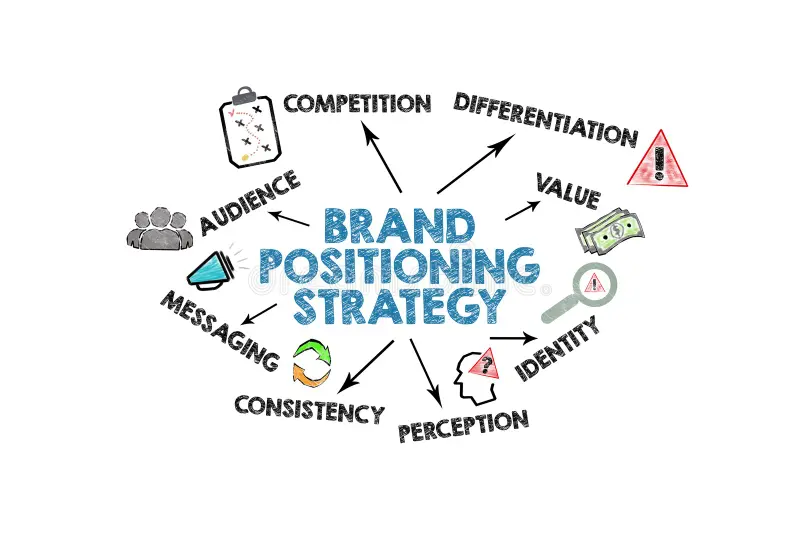
Why do some businesses stand out while others fade into the background? When two companies sell similar products one can be remembered and the other forgotten. The difference often comes down to brand positioning. A small business might have a product, fair prices and excellent staff but if customers don’t know what sets it apart it will struggle to get noticed. Brand positioning helps a small business define its place in the customer’s mind. It answers questions: What does your business do? Who is it for? Why should people choose you over others?
Positioning goes beyond logos Those are parts of branding. Positioning is about the story your business tells. It’s about how customers see your business when they hear your name. Think of a restaurants. One might be known for traditional food. Another for cheap meals. A third could be famous for a luxury dining experience. All three serve food. Each has a different spot in the customer’s mind. That makes all the difference.
This matters most for businesses because they usually face strong competition. A local hair salon may have five salons just down the street. A clothing store might carry items found in dozens of shops. A marketing agency could offer services that many others provide well. Saying "we give service" won’t help much. Every business says that. To succeed a small business must find something something that sticks with customers.

The first step is knowing your customer. Before thinking about messages or visuals ask: Who are we trying to reach? What are their needs? What problem are they trying to solve? Do they care more about prices, quick service, quality, convenience or personal attention? Understanding this helps shape a message that speaks directly to them.
Take two fitness centres for example. One targets experienced gym-goers who want high-end equipment. The other focuses on beginners who feel nervous about working out. The second gym could position itself as a space for new clients, where trainers explain every detail. Both offer fitness. They speak to very different groups. This clarity makes marketing easier and more effective.
Next consider what makes your business different. You don’t need an innovation. Sometimes a small feature means a lot. A restaurant might deliver lunch orders faster than anyone. A bakery could specialise in custom birthday cakes. A photographer might only shoot weddings. A salon could become famous for makeup. A digital agency might focus on helping small local businesses attract customers. These focused strengths become positioning points.
The difference must matter to customers. If a business says, "We use the technology " customers might not care unless they see the benefit. Instead say how it helps them. If delivery is faster customers understand they get their order sooner. If a salon focuses on brides wedding guests instantly connect the business to their day.
Price plays a role too. Some businesses compete by being the cheapest. That works when price is the concern but it’s risky. Other competitors can lower prices and customers may leave. Than just being cheap small businesses can highlight value. A family-friendly restaurant could say it offers portions and fast service at affordable prices. A website design firm could promise sites for small businesses with included maintenance. Customers aren’t just seeing the cost—they’re seeing what they get.
Quality can also build positioning. If a business uses materials gives detailed support or offers individual care it can position itself as premium.. This only works if the experience matches the promise. If a company claims top-quality service but customers receive communication trust will break. A brand promise only becomes real when the actual customer journey supports it.
Customer experience is one of the tools in building a position. Big companies may have budgets but small businesses often win with warmth and personal touch. Customers might know the owner get replies or enjoy fast responses. When people feel cared for they remember the business. Tell others about it.
Location can also create an advantage. A business doesn’t need to beat chains. It can start by becoming the go-to choice in its area. A café could be the lunch spot in one neighbourhood. A dentist might specialise in serving families. A tutoring centre could gain a reputation among students from schools. Local knowledge and connection can be powerful.
Digital marketing strengthens this focus. Content on media Google Business Profile, customer reviews, local keywords, photos and helpful website information all reinforce the business’s identity. If a shop consistently shares content around the theme customers begin to associate the business with it.
Brand personality matters too. Think about how your business should talk to customers. Should it sound warm and casual?. Serious?. Full of energy?. Trustworthy?. Elegant and high-end? The tone depends on the type of business and the audience. A children’s toy shop might sound playful. A financial advisor would need a serious voice.
Once chosen consistency is key. Your website, media posts, ads, videos photos and customer messages should all feel like part of the same brand. If an Instagram page looks fun and lively. The website appears formal and outdated people may feel confused. A consistent brand is easier to recognise and trust.
Visuals play a part in supporting your positioning. Colours, fonts, images, graphics and logo design all send signals. A high-end brand might use lines and neutral tones. A youthful business might use colours and bold shapes. A heritage brand might show photos or local landmarks. The idea is not to chase every trend but to pick a look that fits your desired image.
Content marketing can strengthen your positioning too. Of posting random updates just to stay active focus on topics related to what you want to be known for. A gym aiming to attract beginners can share workouts and tips. A cake shop known for custom designs can post photos of cakes behind-the-scenes clips and celebration stories. A digital agency that helps businesses can share real tips, web advice and success examples.
Customer reviews are another piece. What real people say builds credibility. If a business wants to be seen as fast feedback praising replies reinforces that. If a salon prides itself on wedding services testimonials from brides add proof. Real experiences often carry weight than advertisements because they come from trusted sources.
Looking at your competitors can help uncover opportunities. Don’t copy them. Instead observe how they present themselves and what customers seem to notice. If everyone is targeting companies, maybe a small agency could focus on local ones. If most restaurants push dine-in one could build its reputation around delivery. Finding an angle helps you stand out.
A strong position must be believable. Don’t promise things to sound impressive. If you claim to offer the service customers expect speed. If you say you give attention you must deliver it. When the promise and reality match trust grows. When they don’t confidence fades quickly.
Also know that positioning can change over time. A business may begin with an audience then grow. Products might. Customer needs shift. Updating your brand position is natural. What matters is having a reason—not changing your message every week.
For businesses, good positioning simplifies marketing. Once you know your audience and what you stand for creating ads, social media posts, promotions and website messages becomes much clearer. You also rely less on price wars.
Importantly a small business doesn’t need to please everyone. It only needs to be the fit for its ideal customer. When a business understands its people clearly communicates its difference delivers an experience and stays consistent it can build a strong name—even without a big budget.
In the end brand positioning is about planting an idea, in the customer’s mind. When someone needs a product or service you want your business to be one of the first names that come to mind. That doesn’t happen overnight. It takes repeated messages, customer experiences, useful content and a clear reason for people to pick you.
A small business might not have the team or the largest advertising budget.. That does not mean it cannot hold a strong position in the market. When customers truly understand what your business stands for, who it helps and why it's different your brand starts to stand out. It becomes something people can remember.. When people remember your brand, for the right reasons—because of values, quality or service—they are more likely to trust it. They will recommend it to others.. Eventually they become loyal customers.

0 Comments
No comments yet. Be the first to share your thoughts!
Leave a Comment