 Brand
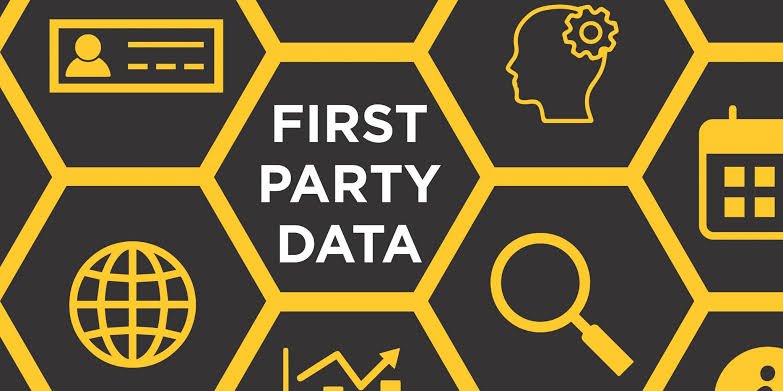
First-Party Data is the key, to knowing customers. Today companies rely on data to learn what people want to design experiences and to make smart marketing choices. As privacy rules get third?party cookies fade marketers are looking for a dependable source that they can trust. That source is First-Party Data. First-party data gives companies insights and that is why it is important, for todays marketing efforts. This kind of data comes directly from customers.. Is collected through interactions with brands. It offers insights and stronger trust because it is gathered with consent and used responsibly. For marketing First-Party Data stands out as essential. It helps companies build connections with audiences while staying compliant, with evolving regulations.
First-Party Data is information that a business gathers from its customers and audience via its own channels. It can come from websites, mobile apps, email sign?ups, purchases, surveys, loyalty programs and other direct contacts. For today’s marketers First-Party Data is more than a source of customer information. It forms the base for creating personalized, privacy?aware and effective marketing plans.
What Is First-Party Data?
I think First-Party Data is the information that a company collects directly from people who interact with its business. Because the data comes from the company’s platforms and customer ties businesses see more clearly how the data was collected and how it can be used.
Examples of First-Party Data are website browsing habits, purchase records, email interactions, customer likes, account details, product use and replies to surveys or feedback. Unlike third?party data obtained from sources First-Party Data flows directly from the relationship between a business and its audience.
Why Is First-Party Data Important?
The growing importance of First-Party Data is linked to changes in the advertising world. People are more concerned about privacy. Regulations, around data protection have become stricter.. Browser technology has changed, making it harder for marketers to depend on third-party data.
First-Party Data gives companies a way to learn about their customers while staying in control of how that information's collected and used. It also helps marketers create experiences that feel personal and relevant. When a business knows what a customer bought what products they like or how they interact with content it can use those details to build marketing messages that matter.
Better Customer Understanding One major benefit of First-Party Data is that it shows a picture of customer behavior.
For example an online store can look at a customer’s purchases, product searches and replies to promo emails. Those insights let the store see customer interests and spot chances to give fitting products, content or offers.

- Because the data comes from customer interactions it aligns more closely with the company’s real customer journey.
- Personalized Marketing
- Personalized Marketing
- Customers now expect brands to give experiences that match their needs and interests. First-Party Data can support this level of personalization.
- Businesses can use customer data to build targeted email campaigns suggest products personalize website visits and send content based on past interactions.
- For example a customer who often buys a product category may get content about that category instead of generic marketing messages.
- Good personalization is not about having more data. It is about using the information responsibly to make a better customer experience.
- Greater Data Control
First-Party Data gives businesses control over the information they collect. Since the data is gathered through the company’s channels organizations can set their own rules for collecting, storing, protecting and analyzing it.
Because the data comes from the company’s channels businesses can define their own rules for gathering, storing, guarding and studying it.
This helps businesses see where customer information originates and how it is used. Strong data governance remains essential. Businesses must follow privacy laws get consent when needed guard customer data and explain clearly how data is collected and used.
Improved Marketing Measurement
First-Party Data helps measure marketing performance.
First-Party Data also lets businesses track customer interactions across all their channels.
By linking data from websites email campaigns, purchases and customer accounts marketers see how each point of contact adds to customer engagement and sales.
This lets businesses make decisions about marketing and allocate resources based on customer behavior, not just external audience data.
Building Stronger Customer Relationships
First-Party Data builds customer relationships.
First-Party Data is not a marketing tool. It also strengthens ties between a business and its customers.
When customers gladly share data with a brand and get experiences in return the bond becomes more valuable, for both sides.
For example a loyalty program can let customers receive recommendations or relevant rewards and it also gives the business insights into customer purchasing behavior.
I see that the key is to create an exchange of value. Customers are more likely to share information when they understand the benefits and trust the business handling their data.

How Businesses Can Collect First-Party Data
There are ways businesses can collect first?party data through direct customer interactions. Websites can capture information from account registrations, product interactions, content engagement and purchases. Email marketing programs can provide insights through subscriptions opens, clicks and customer preferences. Businesses can also collect information through customer surveys, feedback forms, loyalty programs, mobile applications, customer service interactions and in?store experiences.
The effective approach depends on the business model and customer journey. Of collecting information simply because it is available businesses should focus on gathering data that has a clear purpose and provides value to the customer. The Role of First-Party Data in the Future of Marketing
I see that as digital marketing continues to evolve businesses will need to balance personalization with privacy. First?party data can play a role in achieving this balance because it is built around direct interactions between businesses and their customers. Organizations that invest in reliable data collection, strong privacy practices, customer trust and effective data management can create a more sustainable foundation for their marketing activities.
First?party data is therefore becoming a part of modern marketing strategy. First?party data can help businesses understand their customers personalize experiences, measure marketing performance and build long?term relationships. First?party data is becoming increasingly important as the digital marketing environment moves toward privacy and transparency. By collecting information from their customers and using it responsibly businesses can gain valuable insights while creating more relevant experiences.
The future of marketing is not about collecting more data. It is, about building trusted customer relationships and using information in ways that benefit both businesses and their audiences.
For marketers first?party data provides an opportunity to build marketing strategies that are more customer?focused, measurable and prepared for the changing digital landscape.

0 Comments
No comments yet. Be the first to share your thoughts!
Leave a Comment