 Brand
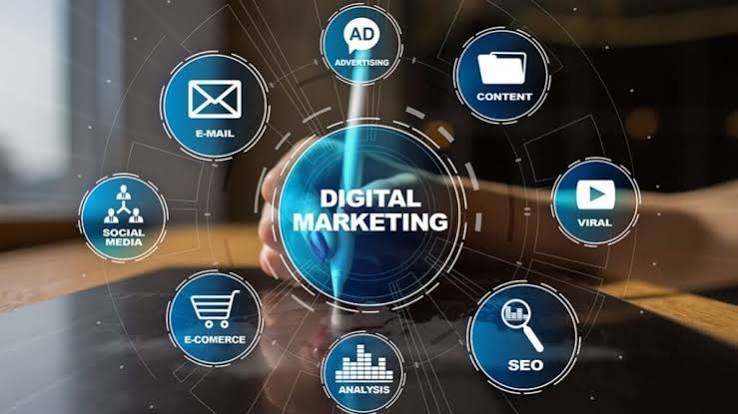
Digital marketing has changed a lot over the years.
Businesses used to rely on browser cookies to understand website visitors track behavior personalize ads and measure marketing results
Now marketers are entering an era where traditional third-party cookies are becoming less important.
This change is often called cookieless marketing
For beginners the term may sound complicated. The main idea is simple businesses need to find ways to understand and reach customers without depending on third-party cookies
In this article we will explain what cookieless marketing means why cookieless marketing matters how cookieless marketing works its benefits and challenges and what businesses can do to prepare for the future
What Is Cookieless Marketing?
Cookieless marketing is a marketing approach that reduces or avoids dependence on third-party cookies for tracking users and delivering advertising
To understand this better let us first understand what cookies are
A cookie is a piece of data stored by a website in a user’s browser Cookies can help websites remember information such as login sessions preferences shopping carts and other interactions
There are two types of cookies First-Party Cookies
First-party cookies are created by the website that a person is directly visiting
For example: when you visit a shopping website and the website remembers the products you added to the cart first-party cookies may be involved
First-party cookies can help businesses understand how visitors interact with their website
Third-Party Cookies:
Third-party cookies are created by domains than the website the user is currently visiting
For example:
An advertising company may use third-party cookies to recognize a user across websites and build a picture of their browsing behavior
This information has traditionally been useful for targeted advertising
However concerns about privacy data collection and user tracking have resulted in changes across the advertising industry
This is where cookieless marketing becomes important
Why Is Cookieless Marketing Becoming Important?
Consumers are becoming more aware of how their informations collected and used online
At this time governments browsers technology companies and advertising platforms have introduced changes designed to give users privacy and control
As a result businesses cannot assume that they will always have access to the level of third-party tracking data
This creates a question for marketers How can we understand our customers without depending on third-party cookies
The answer involves building relationships, with customers and using privacy-focused methods of collecting and analyzing information
By focusing on tracking users across the internet businesses can focus more on information that customers willingly provide.
How Does Cookieless Marketing Work?
Cookieless marketing does not mean that businesses stop collecting marketing information
Instead businesses use methods Some of the approaches include:
1. First-Party Data:
First-party data is information that a business collects directly from its customers or website visitors
Examples include:
* Name
* Email address
* Purchase history
* Website interactions
* Product preferences
* Customer feedback
* Newsletter subscriptions
* Customer service interactions
For example: suppose a clothing company has a store. A customer creates an account purchases three shirts, subscribes to the company’s newsletter and later downloads a style guide.
The company can use this information to understand the customer’s interests and provide communication.
The important difference is that the information comes directly from the relationship between the customer and the business.
2. Zero-Party Data:
Zero-party data is information that customers intentionally and directly share with a business.
For example:
Awebsite might ask:
What type of products are you interested in?
- Mens fashion
- Sportswear
- Casual clothing
The customer has voluntarily provided these preferences.
Businesses can collect zero-party data through:
* Surveys
* Preference centres
* Quizzes
* Feedback forms
* Product recommendation questions
* Customer profiles
The key is to make the experience useful than asking questions.
3. Advertising:
Contextual advertising is another approach in cookieless marketing.
Of tracking what a person did across websites contextual advertising looks at the content of the page they are currently viewing.
For example:
Imagine someone is reading an article about:
“How to Start Running for Beginners."
A sports shoe company could show an ad for running shoes on that page.
The ad is relevant because of the page content not because the advertiser tracked the person on sites.
This method lets businesses reach audiences while cutting down on individual-level tracking.
4. Customer Data Platforms:
Businesses can also use customer data platforms, called CDPs to organize information gathered from customer interactions.
A CDP can bring together information from sources such as:
* Website
* App
* Purchases
* Customer support
* Forms
* Marketing campaigns
For example:
one customer might interact with a business by visiting its Instagram visiting its website downloading an ebook and later making a purchase.
A business can link these interactions with first-party systems and permissions to gain a view of the customer journey.
5. Server-Side Tracking:
Another technical method is server-side tracking.
Traditionally some tracking activities happen in the user’s browser.
With server-side tracking some data processing happens on the business’s server or another controlled server environment.
This gives businesses control over how data's collected, processed and shared.
However server-side tracking still must follow privacy laws, platform rules, consent requirements and data protection practices.
It does not let businesses avoid privacy regulations.
Benefits of Cookieless Marketing:
Moving toward cookieless marketing can provide benefits to businesses.
Better Customer Relationships
When businesses collect data from customers they get a chance to build relationships.
Customers know what data they share and why it is collected.
For example:
A customer might give a business an email address to receive offers or educational content.
This creates a relationship between the customer and the brand.
Greater Data Control
First-party data gives businesses control over their customer information.
By relying on first-party systems companies can build their databases and customer communication systems.
This can become a long-term business asset when managed responsibly.

Relevant Marketing?
Data directly given by customers can help businesses see their interests.
For example:
If a customer tells a skincare company that they want products for skin the company can give content and product recommendations.
This is more meaningful than guessing based on browsing behavior.
Increased Focus on Privacy
Cookieless marketing pushes businesses to think carefully about how they collect and use customer information.
A strong privacy approach can boost customer confidence.
Businesses should clearly explain:
What information they collect:
Why they collect it?
How it is used?
How long it is retained?
Whether it is shared with parties
How customers can manage their preferences
Challenges of Cookieless Marketing
Cookieless marketing also brings challenges.
Less Third-Party Data
Businesses that used to rely on third-party cookies may lose information.
This can make audience targeting and measurement harder.
Need for First-Party Data
Businesses must invest in their websites CRM systems, analytics, email marketing and customer experiences.
Just removing cookies without strategies will not solve the problem.
Data Quality
Collecting customer data is not enough.
Businesses need up-to-date data.

For example: if a CRM has outdated records or outdated email addresses marketing campaigns may become less effective.
Privacy Responsibilities
Businesses must handle customer data responsibly.
Depending on the country and situation, privacy and data protection laws may apply.
Companies should understand the requirements, for their customers and operations.
How Can Small Businesses Prepare for Cookieless Marketing?
You do not need to be a company to prepare for this change.
Small businesses can start with steps.
Step 1: Build Your Customer Database?
Start gathering first-party data by interacting with customers in a way that makes sense.
For example:
* Website registrations
* Newsletter subscriptions
* Customer enquiries
* Purchases* Appointment bookings
* Feedback forms
Always provide notices and choices where required.
Step 2: Improve Your Website?
Your website should make it simple for visitors to take actions.
You can offer:
* Guides
* Newsletters
* Product updates
* Discounts
* Webinars
* Helpful resources
These can encourage visitors to share first-party data.
Step 3: Use Email Marketing?
Email marketing becomes very useful when companies build connections with their customers.
Using advertising platforms companies can speak directly to people who have signed up to receive messages.
For instance a digital marketing company could send:
* Tips for marketing
* Examples of work
* Updates about the industry
* New things the company offers
* Things to learn
The idea is to give something of value not always trying to sell something.
Step 4: Create Useful Content?
Content marketing helps companies get customers without relying on ads that track behavior.
Make content that answers questions customers have.
Some examples are:
* Articles on a blog
* Instructions on how to do something
* Videos that explain things
* Guides that help people
* Examples of work
* Answers to questions
* Content for media
I see that when customers find your content helpful they are more likely to talk to your brand.
Step 5: Check Your Tracking System?
We know that companies must know which tracking tools are already on their website.
Look at:
* Tools that measure website traffic
* Codes that track ads
* Files stored on devices
* Ways to see if actions lead to sales
* Systems that connect with customer records
* Ways to get permission from users
Remove any tracking that is not needed and ensure the remaining ones are set up correctly.
Cookieless Marketing, vs Traditional Cookie-Based Marketing
I find that the difference is simple to explain.
Traditional cookie-based marketing often uses third-party tracking to watch how people move between sites and to show them ads that are aimed at them.
Cookieless marketing is about building connections with customers. It depends on permission. It uses data that customers give willingly to show ads that match the content they are viewing. It also respects privacy.
Neither approach makes marketing impossible.
Instead how companies learn about their audience. Measure ad performance is changing.
Is Cookieless Marketing the Future?
The world of advertising still changes.
The important thing for companies is not to ask:
"How can we find a replacement for cookies?"
A better question is:
"How can we create a marketing plan that does not depend on one kind of tracking?"
This means building relationships with customers. Creating content. Collecting data directly from customers. Respecting privacy. Using tools to see what is happening. Improving the customer experience.
Companies that know their customers directly can be less affected by changes from browsers, platforms or ad technologies.
Final Thoughts:
Cookieless marketing is part of a change in marketing.
The focus is shifting from relying on tracking by companies to creating connections with customers.
I advise that for people who are just starting out the things to remember are:
First-party data is information that comes directly from your customers and how they use your website.
Zero-party data is information that customers choose to give you on purpose.
Contextual advertising shows ads based on the content not on tracking individuals.
Customer databases and CRM systems can help companies keep track of their customers directly.
Privacy and openness should be a part of every marketing plan.
I tell you that you do not need to change your marketing.
I suggest that you start by learning what first-party data your company already collects.
Improve how you get first-party data from customers.
I recommend that you make content that builds customer connections.
Make privacy a main part of your marketing.
The future of marketing is not about having data.
Cookieless Marketing: What Businesses Need to Know
Digital marketing has evolved a lot over time and I think that cookieless marketing will lead the pack.
Businesses were using browser cookies to understand website visitors, track their behavior, personalize ads, and measure marketing results.
But now marketers are entering a new world where the third-party cookies are becoming less important.
This change is often referred to as cookieless marketing.
For newcomers the sound of it all may seem intimidating.
The basic concept is actually quite simple: businesses need to find ways to understand and reach customers without relying on third-party cookies.
In this article we will explain what cookieless marketing means, why it matters, how it works, its benefits and challenges, and what businesses can do to prepare for the future.
What Is Cookieless Marketing?
Cookieless marketing is an approach that reduces or avoids dependence on third-party cookies for tracking users and delivering advertising. I believe it is essential.
To understand this better let us first understand what cookies are.
A cookie is a piece of data stored by a website in a user’s browser. Cookies can help websites remember information such as login sessions, preferences, shopping carts and other interactions.
There are types of cookies. First-Party Cookies
First-party cookies are created by the website that a person is directly visiting.
For example when you visit a shopping website and the website remembers the products you added to the cart first-party cookies may be involved.
First-party cookies can help businesses understand how visitors interact with their website.
Third-Party Cookies
Third-party cookies are created by domains that're not the website the user is currently visiting.
For example an advertising company may use third-party cookies to recognize a user across websites and build a picture of their browsing behavior.
This information has traditionally been useful, for targeted advertising.
0 Comments
No comments yet. Be the first to share your thoughts!
Leave a Comment