 Brand
Not every visitor who lands on your website is ready to buy. Some may only look at prices read about services check reviews, scan products or simply explore. I have seen many do this. They may leave without buying or contacting.

What are Retargeting Ads?
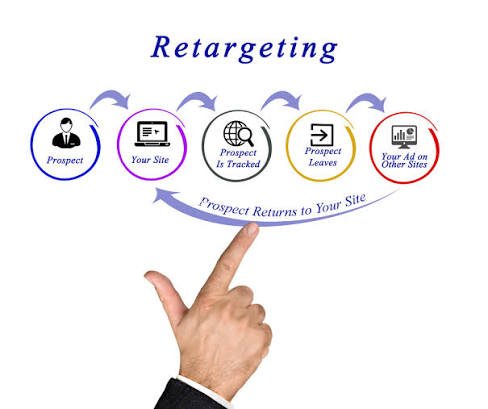
Retargeting ads are advertisements that appear to people who have already engaged with a business on the internet. Imagine you are looking for a pair of shoes. You visit a store’s website. You look at a pair. You decide not to buy it. You close the website. Later when you open Instagram you see an ad, from the shoe company. That ad is a retargeting ad. Retargeting ads aim to reach a person who has already shown interest and treat that person like a customer.
Retargeting can be used by online stores, service companies, agencies, education businesses, travel firms, real estate firms and many other kinds of businesses.
How Does Retargeting Work?
Retargeting ads usually start when a visitor interacts with a business online. The exact technical setup depends on the advertising platform and the business website. Advertising platforms can use tools such as website tags, pixels, cookies, account?based signals or other allowed tracking methods to create advertising audiences. For example a business may create an audience of people who visited a product page. The business can then create an ad for that group. A visitor who has already visited the website may receive an ad from a business that the visitor has never heard about.
What Happens After Someone Visits Your Website?
Let us take an example. A visitor searches for a marketing company visits your website reads about media marketing checks your portfolio and then leaves. The visitor does not contact you.
Without retargeting that interaction may be over . With a retargeting campaign set up that visitor may become part of an audience.
Later that visitor may see an ad such as: "Looking for Better Social Media Results?" The ad can take that visitor back to the service page or contact form. If that visitor is still thinking about the service that reminder may encourage that visitor to continue the process.
Retargeting does not mean showing ads to everyone who visits a website. common mistake is assuming retargeting is the same as advertising, to every visitor. In reality businesses can build custom audiences based on actions.
For example:
- All website visitors
- People who visited a specific page
- People who viewed a product
- People who added a product to their cart
- People who started checkout
- People who made a purchase
- People who watched a video
- People who interacted with content
These groups help target people more likely to convert than broadcasting to anyone and everyone.
This helps businesses create ads. For example a visitor who added a product to their cart may receive a message from a business that only visited the homepage.
Website Retargeting
Website retargeting is one type of retargeting. A business can show ads to people who previously visited its website. For example an online furniture store may have 10,000 website visitors in a month. Only a small number may make a purchase during that visit. The business can create an audience from visitors. Show them ads later. The ad could promote a product, a sale or useful information. The aim is to bring visitors to the website.
Product Retargeting
Product retargeting is very useful for stores. Imagine a visitor looks at a phone in a store but does not buy it. Later that visitor may see an ad featuring the phone or similar items. This can remind that visitor, about the product that visitor was thinking about. Product retargeting can also be used for clothes, electronics, furniture, beauty products, accessories and many other categories.
Cart Abandonment Retargeting
Many customers add items to a shopping cart. Customers do not complete the purchase. Customers might want to compare prices. Customers then become distracted by a payment problem. Finally decide to buy. Businesses can create campaigns for customers who leave carts behind. For example: "Still Thinking About Your Cart?"
The ad can bring customers back to the checkout process. Businesses should not think that every abandoned cart means customers are sure to buy. Retargeting must stay relevant and respectful.
Lead Retargeting
Retargeting is not for stores. Service businesses can also use retargeting to reach out to customers. Imagine a customer visits a website development page but does not fill out the inquiry form. A business could retarget those visitors with an ad that explains website development services, portfolio, process or consultation options. This helps businesses where customers need time to decide.
Examples include:
* Digital marketing agencies
* Real estate companies
* Education institutes
* Interior designers
* Wedding services
* Services
* Software companies
* Healthcare businesses
* B2B service providers
Social Media Retargeting
Media platforms can also run retargeting campaigns. A customer may watch a video interact with content visit a website or do something. Businesses can build audiences from these interactions. Businesses can show customers another ad. For example a business might first show a video that introduces its service. Customers who engage with that content can later get an ad that invites them to visit the website or send a request. This builds a customer journey. Content ? Engagement ? Retargeting ? Inquiry
When Should You Use Retargeting Ads?
Retargeting helps when customers already show interest but do not take the action businesses want.
1. When Website Visitors Do Not Convert
If the website gets traffic but few visitors turn into customers or leads retargeting can be part of a marketing plan. Retargeting gives businesses another chance to talk to visitors.
2. When Customers Need Time to Decide
Some purchases happen quickly. Others take days or weeks. For products and services customers may need time to compare options. Retargeting can keep businesses’ brands in customers’ minds while customers decide.
3. When You Have an Online Store
Retargeting can help customers who looked at products added items to carts or visited pages. Retargeting can bring customers back to the store.
4. When You Want More Leads
Service businesses can use retargeting to get website visitors to fill out contact forms, booking pages, consultation pages or other places to convert.
5. When You Are Launching a Product
Suppose a business launches a product. The business can first show the product to an audience. Customers who engage with the launch campaign can then be added to follow?up audiences based on platform targeting options and privacy rules. The follow?up ad can share information. Encourage the next step.
When Retargeting May Not Be the Right Choice
Retargeting is not good for every business or every campaign. If the website gets traffic the retargeting audience might be too small. For example if a few customers visit the website each month there may not be customers to run a campaign.
In that case businesses may need to increase traffic through SEO, content marketing, social media, search ads, partnerships or other methods. Retargeting also needs a goal. Showing ads repeatedly without knowing the action businesses want customers to take can waste money.
How to Create a Retargeting Campaign
A retargeting campaign can follow these steps.
Step 1: Define Your Goal Decide what customers want to do.
Your goal could be:
* Buy a product
* Fill out an inquiry
* Book an appointment
* Ask for a quote
* Download something
* Contact your business
* Return to your website
Step 2: Identify the Audience
Decide which past actions matter to customers. For example customers who looked at the pricing page but did not fill out the inquiry form. This is more specific, than targeting all customers.
Step 3: Create the Advertisement
Businesses recommend making an ad that matches the audience. The ad message should give customers a reason to return.
You can highlight:
* Product benefits
* Service details
* Feedback
* Case studies
* Offers
* Information
* A step
Step 4: Set a Budget I recommend starting with a budget that fits your business. A budget is not necessary to test a retargeting campaign. Check the results. Adjust the retargeting campaign based on what works.
Step 5: Measure Results Keep track of the numbers that matter for your goal.
* Clicks
* Website visits
* Leads
* Purchases
* Conversion rate
* Cost per lead
* Cost per purchase
* Return on ad spend Do not judge a retargeting campaign by how many people saw a retargeting campaign or liked a retargeting campaign. The real question is whether the retargeting campaign is helping people do the thing you want them to do.
Common Retargeting Mistakes
One mistake is showing the retargeting ad often. People can get tired of seeing the message. Another mistake is using the retargeting ad for everyone. A person who looked at a product a person who left a cart a customer and someone who just visited the homepage may all have needs. Another issue is not removing people who already performed the action you want.
If someone has already bought a product and then sees a retargeting ad that asks them to buy that product that is not an use of money. Companies also need to be careful about privacy laws, platform rules, permission requirements and tracking settings when they collect and use audience data.

Final Thoughts
Retargeting ads are created to get in touch with people who have already interacted with a company. They can be useful because many customers do not make a purchase during their visit. A person might need information, time or just a reminder. Retargeting helps companies create follow?up ads based on interactions and guide people toward the step. For a store the next step might be making a purchase. For a service company the next step might be filling out a form. For another type of business the next step might be scheduling a meeting.
0 Comments
No comments yet. Be the first to share your thoughts!
Leave a Comment