 Brand
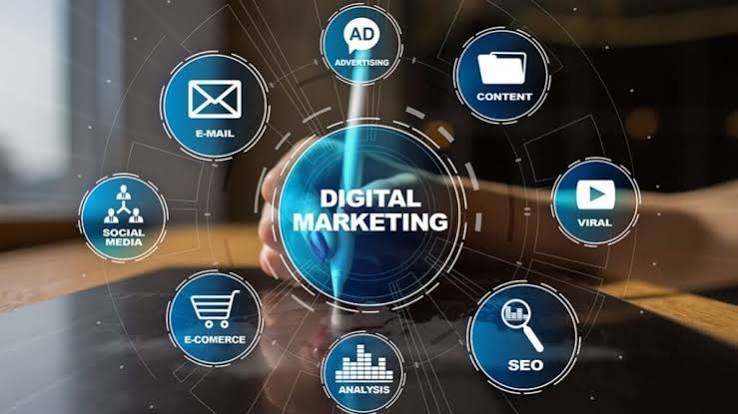

Digital marketing works better when you know the people you are trying to reach. Many businesses share content run ads, write blogs and send messages without really knowing their customers. Their messages may reach a lot of people. They do not always reach the right people.
This is where a customer profile becomes useful. A customer profile is a picture of who your customer is. A customer profile helps a business learn about its customers. It shows what customers need what problems they face how they make buying decisions and where they spend time online.
Creating a customer profile does not mean making up guesses about your customers. Creating a customer profile means collecting facts and using those facts to learn more, about your customers. Whether you run a business, a store, a new company or a marketing company a clear customer profile can help you plan marketing.
 What Is a customer Profile?
A customer profile is a way to describe your customer using information like their details, research findings and smart assumptions.For example let’s say you run a marketing company that offers SEO, social media marketing, website design and advertising.
Your ideal customer could be a business owner who's between 28 and 45 years old. This person might run a business such, as a jewelry shop, a clothing store, a restaurant, a dental clinic, a beauty salon or even a school. They want customers. They might not know how to handle marketing themselves or might not have the time to do it.
Of saying, "Our group of customers is business owners " you can make a complete customer profile.
For example:
Name: Arun
Age: 35
Occupation: Small Business Owner
Location: Tamil Nadu
Business: JewelleryShop
Goal: Increase enquiries and sales through marketing
Problem: Does not know how to manage media and advertisements
Platforms: Instagram, Facebook, YouTube, Google
Buying Factors: Price, trust, reviews, previous results and portfolio This profile gives the marketing team an idea about whom they are targeting.
Why Is a Customer Profile Important in Digital Marketing?
A customer profile helps you create marketing strategies based on your customers of creating content randomly. When you know your audience you can choose topics, advertisements, keywords, platforms and messages. For example if the target customers are business owners business owners may look for search terms like "marketing agency, for business" "how to get customers through Instagram" or "how much does digital marketing cost?” Knowing this information helps you create blogs, videos, social media posts and advertisements that answer business owners’ questions.
A customer profile also helps you understand what type of content business owners prefer. Some business owners may like videos while others may prefer blog posts, case studies or tutorials.
It also helps reduce wasted advertising money. Of showing an advertisement to everyone you can create campaigns that're more relevant to the people who are likely to become customers.
Customer Profile vs Target Audience
Customer profile : and target audience are related. They are not exactly the same.A target audience is a group of people who might be interested in your product or service.
For example: Small business owners in Tamil Nadu, between 25 and 45 years old. A customer profile goes deeper. A customer profile looks beyond the group.
For example: "Arun is a 35-year- jewellery shop owner, in Tamil Nadu. He wants customers and online enquiries. He uses Instagram and Facebook regularly. He does not understand paid advertising. Before you select a marketing agency you check reviews, past projects, costs and outcomes.
The target audience tells you who you are trying to reach. The target audience is crucial. The customer profile shows how that person thinks, what they want and why they might purchase. The customer profile is key.
What Information Should a Customer Profile Include?
A useful customer profile should contain information that can actually help your marketing decisions. You do not need to collect every detail.I think the first thing is to gather details, like age range, location, occupation, type of business, education level and approximate income range when they matter.
Next I suggest you understand their goals. Ask what they are trying to achieve. A business owner may want enquiries, more website visitors, better brand awareness or higher sales
For example : a small business owner may struggle with creating content, generating leads, managing advertisements, understanding SEO or competing with businesses.You should also understand their behavior. Find out which platforms they use, what type of content they consume, what they search for on Google and which websites or social media accounts influence their decisions.
Finally understand their buying behavior. What makes them trust a company? Do they compare prices? Do they check Google reviews? Do they ask friends for recommendations? Do they look at a company’s portfolio before contacting them?
These details can make your customer profile useful.
Step 1: Identify Your Ideal Customer
The first step is to identify the type of customer you want to attract.
Look at your existing customers. Identify patterns.
Ask questions such as:
Who're our best customers?
Which customers generate the value?
What industries do they belong to?
Where are they located?
What problems do they usually have?
Why do they choose our product or service?
You may discover that your valuable customers come from an industry or customer group. This information can become the foundation of your customer profile.
Step 2: Collect Real Customer Data
Do not create your customer profile from assumptions. Use information whenever possible. You can collect information from customer interviews, surveys, feedback forms, website analytics, social media insights, customer support conversations, sales teams and previous enquiries.
For example : if many customers ask the question before purchasing your service that question may indicate a concern.If customers frequently say that they are confused about pricing your marketing content can explain pricing clearly.Real customer data makes your persona more realistic.
Step 3: Understand Customer Goals
Every customer has a reason, for looking for a product or service. I try to understand what the customer wants to achieve. For example a restaurant owner may want orders. A college may want student enquiries. A real estate company may want property leads. A clothing store may want Instagram customers.Understanding these goals helps me create marketing messages that connect with the customer’s needs.
Instead of saying:
"We provide marketing services."
You could create content around:
"How Local Businesses Can Generate Customer Enquiries Through Digital Marketing."
The second message focuses more on the customers goal.
Step 4: Identify Pain Points
Pain points are problems that customers want to solve. I see that pain points, for marketing customers can be things. Pain points may include website traffic. Pain points may also involve social media engagement. Pain points can mean advertising costs. Pain points could mean few leads. Pain points might mean marketing knowledge. Pain points can be content or difficulty measuring results.
Write down the problems your customers mention. Then connect your content and services to those problems. For example if your customers struggle with media content you could create a blog called "How to Create a Social Media Content Plan for Your Business." Here is a simple way to use customer profile research and turn it into content ideas.
Step 5: Find Out Where Your Customers Spend Time Online
Knowing where your customers spend time online is essential, for marketing. Different groups of people use platforms. Younger customers might spend time on Instagram, YouTube or other video-based platforms. Working customers might use LinkedIn a lot. Local customers might use Google Search, Google Maps, Facebook and Instagram. Do not choose a platform just because it's popular.
Pick platforms based on where your best customers spend their time. Your customer profile must therefore include the platforms that your audience uses.
Step 6: Understand Their Buying Process
Customers rarely make every purchase immediately. They usually move through stages. First they recognize a problem. Then they search for information. After that they compare solutions. Finally they decide whether to purchase. For example a business owner may first search for "how to increase Instagram followers." Later they may search for "marketing agency near me." Then they may compare agencies check reviews view portfolios ask about pricing and contact one or two agencies.
Blogs can answer questions during the research stage. Case studies can build trust during the comparison stage. Offers and consultation pages can encourage action during the decision stage.
Step 7: Create the Customer Profile
After collecting your information organize it into a profile. You can give the persona a name to help your marketing team understand it better.
For example:
Buyer Persona: Arun – Growing Business Owner
Age: 30–40
Location :Tamil Nadu
Occupation: Small Business Owner
Goal: Increase Sales
Challenges: Not marketing knowledge and not time
Platforms: Instagram, Facebook, YouTube, Google
Content Preference: Short videos, guides case studies
Buying Factors: Reviews, portfolio, pricing, trust and results
Main Concern: Spending money on marketing and not seeing results
How Buyer Personas Help With SEO
Buyer personas can make SEO more focused on customers. Of picking keywords just because they have search numbers you can think about what your ideal customers are really looking for.
For example a small business owner might search:
"How to promote my business on Instagram"
"SEO, for business"
"Digital marketing cost, for business"
"Way to generate leads"
These searches can become blog topics.
You can create content around these questions. Make sure it is good for search terms.The purpose is not to add keywords. The purpose is to answer the questions that people are asking.
How Buyer Personas Help With Social Media Marketing
media becomes simpler when you know your audience. If the buyer persona likes videos you can create Reels or short videos. If the buyer persona likes information you can create tutorials, checklists and tips. If the buyer persona wants proof before buying you can share reviews, case studies, project results and behind?the?scenes content. The buyer persona can influence your content topics, format, tone, posting schedule and calls to action.
How Buyer Personas Help With Paid Advertising
Buyer personas also help when you create paid advertising campaigns. You can use the details, about the buyer persona to make your ads more relevant. For example a digital marketing agency could make ads for restaurants, real estate companies, colleges and local stores.
Each group has issues and goals. A restaurant owner might care about orders and local visibility. A real estate company might care about leads. A college might care about student inquiries. Understanding these differences helps you create ads that matter.
Common Mistakes When Creating Buyer Persons
One mistake is creating a persona based on guesses. Another mistake is making the persona too broad. "Everyone who needs marketing" is not helpful. Some companies collect much information that does not help with marketing. Another mistake is creating a buyer persona once. Never updating it. Customer behavior changes. Platforms change. Search habits change. New competitors come in. So your buyer persona should be reviewed often. You should also avoid creating many personas. Start with one or two customer groups. Add more when needed.
A good buyer persona helps you get to know your customers goals, their problems how they spend time online the questions they have and the choices they make when buying something. This kind of information can make SEO better make content marketing more effective help, with media marketing improve email marketing and boost paid advertising.
Start by looking at your customers. Get information. Find problems. Understand their goals. Find the platforms they use. Study how they make buying decisions. Then put this information into a customer profile.
Remember that a buyer persona is not a fixed document. As your business changes and your customers change your persona should change too.The more you understand your customer the easier it becomes to create marketing content that's relevant and worth attention.
0 Comments
No comments yet. Be the first to share your thoughts!
Leave a Comment