 Brand
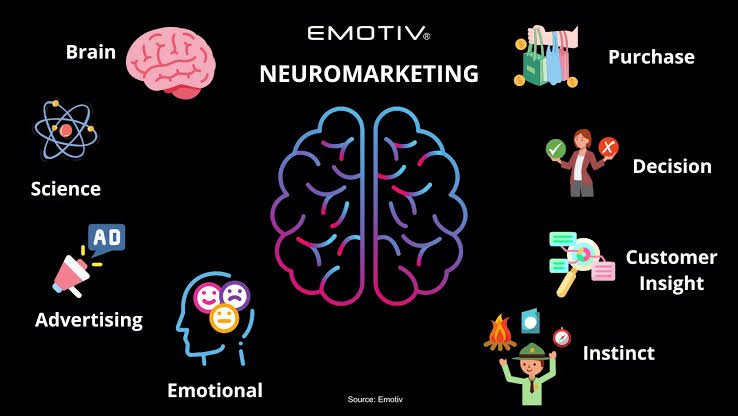
Think about the thing you bought online. Maybe it was a pair of shoes a phone cover or a course you had been staring at for weeks. Did you really sit down. Compare every detail before paying? I doubt it. Most people make a decision first. Then they come up with reasons That’s what neuromarketing is about. It looks at how our brains react to marketing.. What it tells companies about how people actually buy.

So what is neuromarketing really?
The name sounds complicated.. The idea is simple. Of asking people what they want you watch what they do. Customers often can’t explain why they picked something. So researchers track where their eyes go. They watch how faces change when an ad plays. They see which button someone clicks.
Where people look is where sales happen
Eye-tracking and heatmaps show which parts of a page get noticed. Which parts get skipped. If visitors keep looking at the top of your page then that’s where your main message should be. That’s where your call-to-action should sit. If no one reads your product description don’t blame the customers. The problem is in the description.
Emotion first logic later
People forget what an ad said.. They remember how it made them feel. Studies using coding show that ads that make people smile laugh or feel something emotional are the ones people remember.. Share. So when you describe a product don’t just list specs. Talk about what life looks like with it. A water bottle isn’t steel. It’s water on an afternoon still cold at 6 p.m.
We follow the crowd
When we’re not sure we look at what others did. That’s why reviews, ratings, testimonials and notes like "200 people bought this week" work well. They quietly answer one question: can I trust this? It only works if it’s real. Fake reviews are easy to spot.. Once people find out recovery is very hard.
Two tricks you’ll see everywhere:
Charm pricing. ?999 Feels cheaper than ?1,000 even though it’s one rupee less. Our brains latch onto the number. Price anchoring. Show the price first. Then the discounted price suddenly looks like a bargain. Neither trick changes the value of the product. They only change how the price feels. Use them honestly.
Simple beats clever
Every click, form field or confusing menu is a reason to leave. People take the path of resistance. If someone can find what they want and check out without thinking they’re much more likely to finish the purchase. Buttons matter too. "Buy Now." "Book a Consultation." These beat "Click every time.
Stories stick
Nobody remembers a list of features.. A founder’s story, a customer’s before-and-after journey or the reason your brand exists. These help people connect. We tend to buy from brands we feel connected to. Color, personalization and urgency
Color: Blue often feels safe. That’s why banks use it. Red and yellow feel energetic. Still test your choices. What works for one audience might fail with another.
Personalization: Recommending products based on behavior makes shopping easier. Just be clear about how you use data. Let people control it.
Urgency: "Only 3 left" can push a buyer to act.. Only if it’s true. One fake countdown timer can ruin a customer’s trust for good.
Where helping turns into manipulating This part matters most. The same psychology that helps someone choose with confidence can also trick them into buying something they’ll regret.
Stay away from invented scarcity, fake reviews, hidden fees, misleading discounts and cancellation processes that feel like a maze. These might boost sales this month.. Over time they cost you customers and damage your reputation.
Here’s a check: would this customer be fine with it if they knew what we were doing? If yes go ahead. If not rethink it.
Where to start
You can begin today:
Use product photos from angles
Put genuine reviews where people can easily find them
Make checkout shorter and simpler
Use specific action-focused buttons
Talk about benefits not just specs
Run regular A/B tests on headlines, images and layouts
Final thoughts
Online buying decisions aren't only, about price and features. Emotion, trust, simplicity and the way information is presented all shape them. Businesses that get this can build websites and campaigns that feel natural, helpful and memorable. The goal was never to make people buy. It’s to understand them enough that buying feels like a good experience. Honestly understanding people matters much as understanding technology.
0 Comments
No comments yet. Be the first to share your thoughts!
Leave a Comment