 Brand
We’ve all been in this situation. You add a pair of headphones to your cart on your phone during lunch. That night you open the brand’s app on your laptop. The cart is empty. A day later an email shows up with a discount on something you bought months ago. It’s frustrating. Each channel is doing its thing. None of them are talking to each other. You end up feeling like you're dealing with five companies instead of one.
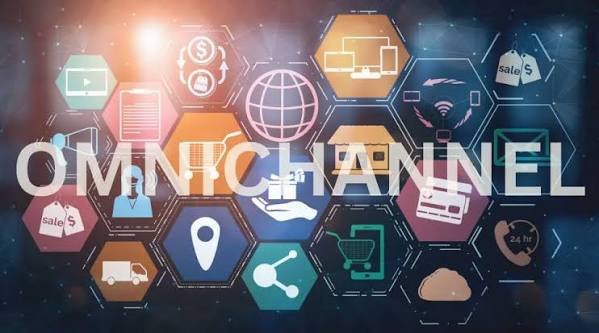
Omnichannel marketing is meant to fix that. Your website, app emails, social media, WhatsApp and even your physical store all work together. The goal is simple. You want the customer to feel like they are dealing with one brand, not five ones.

Omnichannel vs Multichannel
People often mix these two up. Multichannel means you are on platforms like a website, an Instagram page, a store and an email list. You are visible.. You are not connected. With omnichannel the channels share information. The experience follows the customer from one platform to the next. A multichannel business is everywhere. An omnichannel business remembers you everywhere.
Why it matters?
Customers don’t think about channels. Someone might see your ad on Instagram read reviews on Google ask a question on WhatsApp and then buy in your store. To them it’s one journey. If something goes wrong along the way—like prices not matching, questions or a forgotten cart—they notice. Many of them just walk away.

What a connected experience looks like?
One cart. You start on your phone. Finish on your desktop. The items are still in the cart. Same offers everywhere. The price on Instagram matches the website and the store. Support that remembers. If a customer spoke to you yesterday the person helping today already knows what happened. Nobody should have to explain the problem three times. Easy moves between online and offline. Check stock online. Pick it up in the store. Buy in the store and track delivery in the app. Messages that make sense. Someone who just bought a product shouldn’t get an ad for it the day

How to build it?
1. Map the customer journey. Write down every point where a customer meets your brand—from the ad to after-sales support. Look for places where people drop off or get confused. You don’t need software for this. A whiteboard is enough.
2. Bring your customer data together. This is the part. Purchase history, website visits, email activity and support chats usually sit in tools. A CRM can pull them together. For a business even an organized spreadsheet works. The goal is one view of each customer.
3. Keep your message the same. Tone, branding, offers and promises should feel consistent everywhere. The look and format can change. The voice shouldn’t.
4. Choose channels based on your customers. You don’t have to be on every platform. In India a lot of customers prefer WhatsApp so a strong WhatsApp setup may do more for you than five managed accounts. Just ask your customers where they want to hear from you.
5. Let customers switch channels easily. Make it simple to go from chat to call from app to store or from email to website without starting
6. Be careful with automation. Abandoned cart reminders order updates and follow-ups can run on their own.. They need data behind them. Check that they don’t go out when they aren’t needed.
7. Measure the journey. Don’t look at each channel by itself. A customer might discover you on Instagram. Buy after clicking an email link. If you only look at last-click numbers a valuable channel can look useless.
Common mistakes:
Trying to do everything at. Connecting every channel together usually ends in confusion. Start with two or three.
Ignoring the store or phone team. This isn’t a tech project. If your in-store staff can’t see the information as your website the whole thing breaks down.
Many messages. Being connected doesn’t mean tracking people all the time. The same offer by email, SMS, WhatsApp and push notification on the day feels like too much.
Poor data handling. Combining data from sources makes privacy matter more. Be clear about what you collect and let people choose how they want to be contacted.
If you're a business:
Start. Make sure prices are the same on every channel. Use one shared inbox or tool for customer messages. Set up an abandoned cart reminder. Add a "check availability" option for your store. None of this is complicated. Customers will feel like you are paying attention.
Final thoughts:
Omnichannel marketing isn’t, about technology. It’s about not making customers repeat themselves. When every channel knows what the others know buying gets easier. People trust you more. Pick one gap in your customer journey fix it and then move to the next.
0 Comments
No comments yet. Be the first to share your thoughts!
Leave a Comment