 Brand
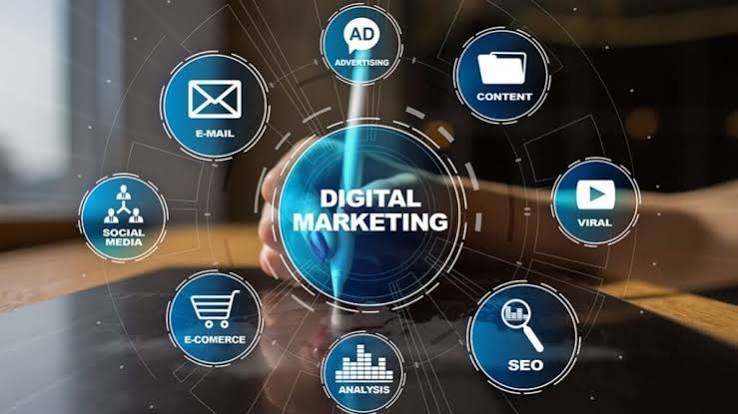
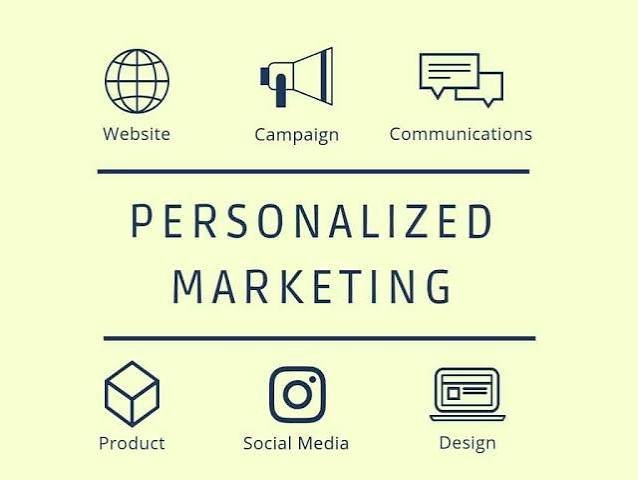
Open Netflix and your home screen won't look like your friends. Open Amazon and it shows you things you looked at week. Even a small local shop that remembers your order makes you feel noticed. That is personalization.. Digital marketing has been getting better at it for years.
Put simply personalization means showing the message to the right person at the right time. It’s not about sending the message to everyone. It’s about making each customer feel seen.
Why it works
Most people are tired of marketing. We get dozens of emails, ads and notifications every day. We ignore most of them. The ones we do notice are the ones that feel relevant. If an offer matches what I actually need I will read it. I will act on it.
What you gain
engagement. People open emails. They click on ads that feel like they were made for them. A subject line that names the product or topic beats "Big Sale!" Every time. More conversions. When someone sees products that match what they like buying becomes easier. They don’t have to search. They don’t have to guess.
More loyalty. Customers come back to brands that remember them. A birthday offer or a "welcome back" message may seem small.. Over time it builds trust. It builds connection.
Wasted spend. If you know who is interested in what you stop showing ads to people who will never buy. That saves money. It makes your marketing more efficient.
How to do it
1. Start with the data you already have. Purchase history pages visited, items left in the cart, location, device. You don’t need a system. Even a simple split like first-time buyers versus repeat customers is a start.
2. Segment your email list. Don’t send one email to everyone. New subscribers can get an offer. Recent buyers can get a how-to guide or a related product. People who’ve gone quiet can get a "we miss you" note.
3. Use the customer’s name. Don’t stop there. A first name in the subject line is fine. It’s the level. What really helps is content: the product, the right timing, the right language.
4. Recommend products based on behavior. Sections like "People who bought this also liked". Based on what you viewed" can bring in sales without feeling pushy. It feels helpful not forced.
5. Recover abandoned carts. Someone added a product. Left. A friendly email or WhatsApp reminder a hours later often brings them back. Keep it gentle. Keep it not desperate.
6. Personalize by location and language. For a business in India this matters a lot. A Pongal offer in Tamil Nadu makes sense than one national campaign. Content in the customer’s language helps too.
7. Send at the time. If most of your customers shop in the evening don’t send your offer at 7 a.m. Check your data. Try send times. Find what works.
8. Test everything. Not every idea will work for your audience. Run A/B tests on lines, product suggestions and offers. Keep what performs. Drop what doesn’t.

Where it goes wrong
There’s a line between helpful and creepy. If customers feel watched it backfires. Using data people didn’t expect you to have. If an ad mentions something they never shared with you they’ll get uncomfortable fast. It feels invasive. Getting it wrong. Recommending baby products to someone who bought one gift once feels silly. It shows your system isn’t paying attention.
Over-messaging. Even relevant messages get annoying if they show up every day. Less is more. Respect their inbox. Ignoring privacy. Be honest about what you collect and why. Give people a way to opt out or change preferences. With data protection laws getting stricter including India’s DPDP Act this isn’t optional.
A rule: if a customer could see how you picked that message for them would they be okay with it? If yes you’re fine. If no rethink it. If you're a business You don’t need tools on day one. Pick one thing—like an email series or an abandoned cart reminder. Set it up. Check the results after a week. Then add one
Final thoughts
Personalization works when customers feel understood not tracked. Collect what you need. Use it to make things easier for them. Be open, about how you use it. Do that. People are more willing to stay.

0 Comments
No comments yet. Be the first to share your thoughts!
Leave a Comment