 Brand
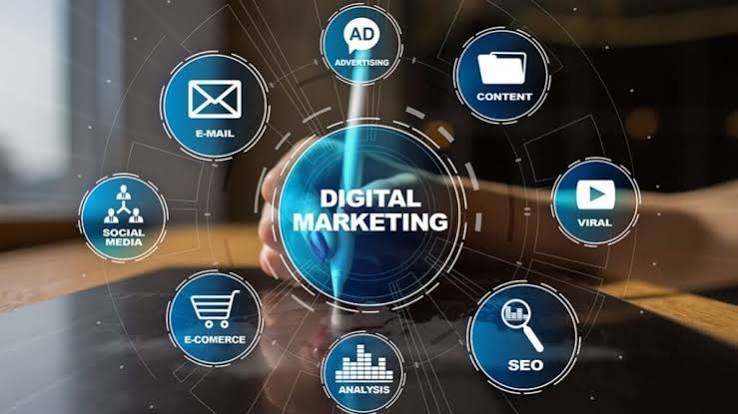

Digital marketing is not just about showing ads. It is also about understanding people.
Every day people come across ads on Instagram, YouTube, Google, Facebook, websites and more. Some ads make them pause. Some spark curiosity. Others disappear without a trace.
Why does this happen?
The answer lies in psychology." People do not always buy because they need something ". Sometimes they buy because they trust a brand. Sometimes an offer feels too good to ignore. Sometimes a product solves a problem they have been thinking about for a time. Knowing these reasons helps companies shape marketing.
What Is Consumer Psychology?
Consumer psychology studies "how people think, feel and act when making buying decisions". Take the example of someone wanting to buy a phone. They may check prices read reviews watch videos ask friends look at pictures and visit websites. Eventually they pick one phone.From outside it may seem like a choice.. Many factors are involved.
Price, trust, appearance, reviews, brand name, features, suggestions and emotions all play a role.
People Buy Solutions, Not Just Products One key idea in marketing is that people usually buy a solution, not the product itself. A person may not want a gym membership. They may want to lose weight feel healthier or gain confidence before an event. A business owner may not just want a website. They may want inquiries, better trust or increased customer traffic. A parent may not simply want tutoring for their child. They may want grades and stronger confidence in their child’s learning. This is why smart marketing focuses on results not features.
Instead of saying: "Professional digital marketing services available."
A business could say: "Get customers through media Google and targeted ads."
Emotions Play a Role in Buying People often believe they make decisions based on logic. In reality emotions strongly influence choices. Think back to a time you bought something you really liked. Maybe you loved the design. Maybe you felt excited. Maybe you thought it would improve your life. Maybe you worried you might miss out. These feelings can push someone toward a purchase. Common emotions used in marketing include happiness, excitement, fear, curiosity, trust, pride and comfort. For instance a travel company may show dream vacation spots to create excitement. A security company may emphasize protecting families to build a sense of safety. luxury brand may focus on status and exclusivity.
Trust Makes People Comfortable Trust is a factor in marketing. When people first visit a website or social media page they do not know the business. They naturally ask questions. Is this company real? Will I get what I pay for? Are other customers satisfied? Will they respond if I have a problem? This is why businesses must earn trust before asking people to buy. Customer reviews, feedback, content, clear contact details, professional websites, real photos, case studies and active social media accounts can help. For example if someone compares two service providers and one has customer reviews while the other does not the first one seems safer. Trust reduces hesitation.
Reviews Influence Buying Decisions People often want to know what others think before spending money. This is called proof. When we see others using a product or recommending a service we feel more confident trying it ourselves. This is important online, where customers cannot touch or test products before buying. A business can say: "Our service is excellent." A customer saying: "I received support and got the result I expected." feels more real. That is why businesses should encourage customers to leave reviews. Social proof can also include ratings, testimonials, case studies, customer stories, user-generated content and examples of work. The Fear of Missing Out
Have you ever seen an offer that says: "Offer ends tonight." "A few seats left." "Limited stock available." These messages create urgency. People do not want to feel like they missed a chance. This feeling is known as FOMO. Fear of missing out. Urgency can be helpful when it is honest For example a restaurant may offer a weekend discount. An online course may have a deadline. A shop may limit the number of items. Businesses should not fake urgency. If every ad says " chance" and the same deal runs for months customers may stop believing the brand. Good marketing creates urgency honestly.
Why Discounts Attract Attention
Price is another factor. A discount gives people the feeling that they are getting value for their money. For example: Original price: ?2,000,Offer price: ?1,499 The difference is clear. Discounts do not have to be huge. Sometimes adding extra value works better. For example: "Website + 3 months maintenance included." "Book a shoot. Get 5 reels." "Buy the package. Receive a consultation." The customer starts thinking about what they’re getting of focusing on price. That is why businesses should clearly show the value. People Like Simple Choices many choices can make buying difficult. Imagine visiting a website and seeing 25 packages.
Which one should you choose?
You may spend a lot of time comparing them. You may even leave without buying. Simple choices make decisions easier. For example a business can offer three packages: Starter, Growth, Premium The customer can quickly compare them. This doesn’t mean every business should use three packages. The point is to avoid confusion. Make the important information easy to understand.
The Power of Storytelling
People remember stories better than facts. A business can say simply: "We provide video editing services. Tell a story: "A local business had great products but struggled to get noticed. After improving its videos and social media content more people started noticing the brand."
The second message paints a situation people can relate to. Stories help customers imagine themselves in that situation. This is especially valuable for brands because customers connect with experiences than descriptions.
Personalization Makes Marketing Feel Relevant People pay attention when a message feels relevant to them. For example an ad saying: "Digital marketing for everyone" is very general. "Digital marketing ideas for Thanjavur businesses" feels more personal. Personalization can be based on location, interests, business type, past actions or customer needs. Even small changes can make communication feel more useful.
Why Good Content Builds Buyers Not everyone is ready to buy away. Some people are just browsing. Others are comparing options. Some know they have a problem but don’t know how to fix it. Content helps businesses reach people at these stages. A person searching for: "How to improve Instagram reach" may not be ready to hire a marketing agency today. If they find helpful information from an agency they may remember that business later. Over time useful content can turn a stranger into a follower, a follower into a lead and a lead into a customer. That is why blogs, videos, reels, guides, FAQs and educational posts matter.
People Want to Know "What Is In It For Me?" Customers care more about their problems than your company history. This does not mean businesses should never talk about themselves. The message should always connect back, to the customer Of: "We have been providing marketing services for years." You could say: "We help small businesses build a presence and generate inquiries."
The second sentence answers a customer question: "What can you do for me?" That is the question marketing should keep answering.
Make the Buying Process Easy
When someone wants to buy a complicated process can stop them. If a customer has to click through pages fill out forms create accounts verify things and search for payment options they may give up. A simple buying process is better. Show the product clearly. Explain the price. Answer questions. Provide a way to contact you.
Give steps. The fewer obstacles, the easier it is for customers to take action.
Understanding Types of Buyers
- Not every customer thinks the way.
- Some care mainly about price.
- Some care about quality.
- Some want convenience.
- Some people want service.
- Some people want a brand.
- Some people want information before deciding.
- This is why one marketing message may not work for everyone.
How Businesses Can Use Psychology in Digital Marketing Businesses do not need psychology theories to improve their marketing. They can start with some questions:
What problem does my customer have?
What does my customer want?
What makes them stop?
Why should they believe my business?
What information do they need before they buy?
What feeling does my product create?
What result will the customer get? Once these questions are clear making advertisements, websites, social media posts and content becomes easier.
Final Thoughts
Digital marketing is not about algorithms, advertisements, followers or clicks. Behind every click is a person. Behind every enquiry is a need. Behind every purchase is a decision. People buy when they see the value trust the business feel that the product can solve their problem and feel comfortable making the move.
Knowing psychology helps businesses talk to people in a way. The goal should not be to trick customers into buying something they do not need. The goal should be to find out what people really need and show how your product or service can help them. When marketing is helpful, honest, simple and connected to what people need customers are more likely to pay attention. When customers feel understood a brand can build something, than a sale: trust.
0 Comments
No comments yet. Be the first to share your thoughts!
Leave a Comment