 Brand
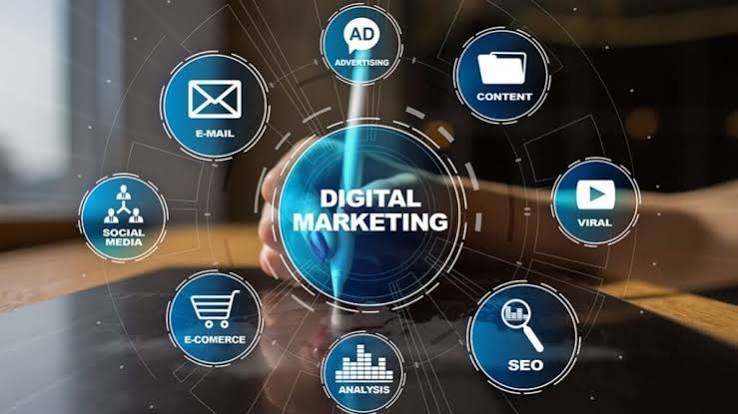
Digital marketing contains words that look alike but mean things. Retargeting and remarketing are two of those words. Both methods let a business reach people who have already shown interest. How those people are reached can differ. I have seen how these tactics can change a campaign.
If a visitor checks your website looks at a product watches a video or interacts with your brand but does not buy anything you do not always have to call that person a customer. That visitor may only need time, information or a reminder. This is where retargeting and remarketing become useful.
Both strategies help a business bring people back into the customer journey. However each strategy usually uses channels, data and methods to reach the audience. In this article I will explain what retargeting and remarketing mean, how they work, their differences and when a business should use each strategy.

What Is Retargeting?
Retargeting is an advertising strategy that shows advertisements to people who have already interacted with a website, app or online content. For example imagine you visit an online shoe store and look at a pair of running shoes. You do not buy them. You leave the website. Later while browsing another website or using media you may see an advertisement for the shoes or the same brand.
That is retargeting. Retargeting mainly uses advertising platforms to reconnect with people who have previously interacted with a business. Common platforms used for retargeting include Google Ads, Meta Ads and other advertising networks.
A business can create audiences based on actions such as:
* Visiting a website
* Viewing a product page
* Adding a product to the cart
* Not completing a purchase
* Visiting a service page
* Watching a video
* Interacting with an advertisement The business can then show advertisements to those audiences.
How Does Retargeting Work?
Retargeting starts when someone interacts with your business.
For example: A customer searches for "marketing agency in Thanjavur”. The customer visits your website. The customer reads about your services. The customer does not contact you. If the required tracking and advertising setup is available that visitor may later become part of a retargeting audience. You can then show advertisements related to the service the visitor viewed. The advertisement could say: “Need Customers Through Digital Marketing?”
The goal is not simply to show the advertisement to everyone. A good retargeting campaign tries to show messages based on the visitors interaction. For an ecommerce business someone who abandoned a shopping cart could receive an advertisement reminding them about the product. For a service business someone who visited a pricing page could receive an advertisement promoting a consultation or enquiry.
What Is Remarketing?
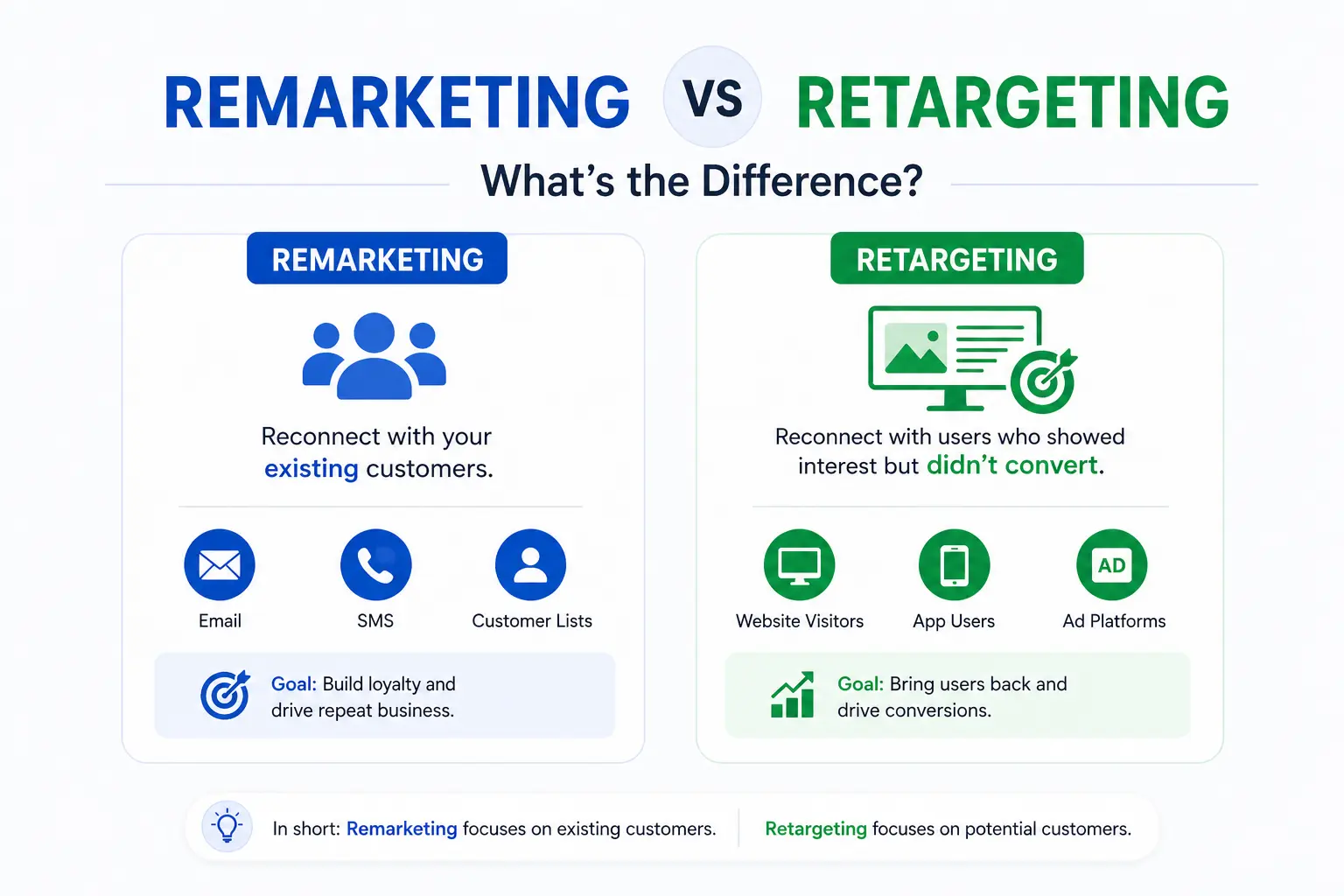
Remarketing is the process of reconnecting with people who have already interacted with a business through customer or lead information. Traditionally remarketing has often been associated with email marketing.
For example suppose someone purchases a product from your store. After a week the business may send an email recommending products. That is a form of remarketing. Another example is a person who fills out an enquiry form but does not immediately purchase a service. The business can follow up with that lead through email or another direct communication channel.
Remarketing can be based on existing customer or lead data. It can include:
* Email campaigns
* Customer follow?ups
* Product recommendations
* Offers
* Lead nurturing
* Re?campaigns
* Loyalty campaigns The main idea is to continue the relationship with people who already know the business.
Retargeting vs Remarketing
The biggest difference, between retargeting and remarketing is generally the way the audience is reached. Retargeting is commonly associated with paid advertising while remarketing is commonly associated with customer communication and re?engagement email. However the terms are sometimes used interchangeably. Different advertising platforms and marketers may also use the word "remarketing" for advertising campaigns aimed at visitors.
This is why it is better to understand the strategy than to focus on the terminology.
Example of Retargeting
Consider a clothing store. A person visits the website. They look at three shirts. They leave without buying anything. The business can build an audience of people who saw those products and can show them advertisements later. The advertisement could show the shirts or similar items. The customer might see the advertisement on Instagram, Facebook or another website. The person clicks the advertisement. Goes back to the store. This is a retargeting journey.
Website visit ? Product view ? Leave website ? See advertisement ? Return ? Purchase Retargeting helps businesses stay visible while the customer makes a decision.
Example of Remarketing
Now think about the clothing business. A customer has already purchased a shirt. The business has the customer’s email address and permission to contact the customer. After a while the business sends an email about arrivals. The email might include products related to the customer’s purchase. The customer opens the email. They visit the website again. This is a remarketing campaign.
Purchase ? Customer data ? Email ? Product recommendation ? Website visit ? purchase The focus is on keeping the relationship with an existing customer.
Why Are These Strategies Important?
Not everyone buys something at the moment they see it. Customers may compare prices read reviews talk to someone or wait for payday. They might simply get distracted.
For example someone may visit a website today. Decide to buy next week. Without a follow?up strategy the business may lose the chance to reconnect with that person. Remarketing gives businesses another chance to communicate with audiences.
They can help businesses:
* Increase repeat visits
* Bring back customers
* Improve customer engagement
* Support lead nurturing
* Increase repeat purchases
* Keep a brand
* Recover some abandoned purchases
The key is to make the follow?up useful of just repeating the same message.
When Should You Use Retargeting?
Retargeting can be useful when your business gets website traffic or social media engagement. It can be especially useful for:
Ecommerce Businesses
Online stores can retarget people who looked at products or abandoned their carts.
For example:
"Still thinking about this product?"
This type of message can encourage the customer to return.
Service Businesses
A marketing agency, salon, hospital, education company or real estate business can retarget people who visited service pages.
For example someone who visited a website design service page can later see an advertisement about website development.
Content?Based Businesses
Businesses can also retarget people who watched videos, visited blogs or interacted with media content. The next advertisement can show them another piece of content or a relevant service.
When Should You Use Remarketing?
Remarketing can be useful when a business already has customer or lead information and wants to keep communication.
For example:
Existing Customers
You can send product recommendations, new product announcements or useful updates.
Previous Leads
Someone who contacted your business six months ago may still be interested. A follow?up campaign can introduce services, offers or useful information.
Repeat Purchases
Businesses selling products that customers regularly need can use remarketing to encourage repeat purchases. For example a skincare company can remind customers when it may be time to purchase their products again.
Can You Use Retargeting and Remarketing Together?
Yes. In fact many businesses can use both as part of the customer journey. Imagine someone visits your website and checks your marketing service. First you can use retargeting advertisements to bring that person back, to your website. If they later submit an enquiry form they can move into your lead nurturing process. You can then follow up with emails, case studies, service details or consultation information.
The journey could look like this:
Website Visit ? Retargeting Ad ? Website Return ? Enquiry ? Email Follow?Up ? Sales Conversation ? Customer
This approach allows businesses to talk to people at stages of the buying journey.
Common Mistakes to Avoid
Using retargeting or remarketing does not automatically guarantee results. There are several mistakes businesses should avoid.
Showing Ads Frequently
If someone sees the advertisement times each day they may become annoyed. Frequency controls and audience management are important.
Showing Irrelevant Content
If someone visited your website for one service showing advertisements may not be useful. Try to match advertisements with their interaction.
Ignoring Existing Customers
Some businesses focus on getting customers. Existing customers can also be valuable because existing customers already know the brand. Remarketing can help maintain that relationship.
Not Testing Different Messages
One advertisement may not work for everyone. Businesses can test headlines, images, offers and calls to action to understand what works better for their audience.
Not Tracking Results
You should measure campaign performance by looking at the number of clicks. Depending on the campaign metrics may include:
* Click?through rate
* Conversion rate
* Cost per lead
* Cost per purchase
* Return on ad spend
* Website visits
* Repeat purchases
Retargeting and Remarketing for Businesses
businesses do not always need marketing systems to get started. A local business can start by understanding the journey its customers take. For example a salon may get website visitors who look at makeup services. A restaurant may get visitors who check its menu. A real estate company may get people who look at property pages.
An agency may get visitors who check its service packages. These businesses can build follow-up campaigns based on those actions. The key idea is to not treat every person the same. Someone who only visited the homepage may need a message than someone who visited pricing or started an enquiry.
Which One Should Your Business Use?
There is no one strategy that works for all businesses. If your main goal is to bring website visitors using ads retargeting can be helpful. If your business has a list of customers or leads and wants to build long-term relationships remarketing can be helpful.
For businesses using both approaches can create a customer journey. The best choice depends on your business model the people you want to reach the data you have the ways you market and your goals.

Final Thoughts
Retargeting and remarketing are both ways of reaching people who have already interacted with your business. Retargeting is usually about reaching visitors or online users through paid ads. Remarketing is usually about reaching existing leads or customers through messages, like emails.
The words can sometimes mix, especially because some ad platforms use "remarketing" to describe ads for visitors. Of worrying much about the names businesses should focus on the customer journey. Figure out what a person did find out what information they might need next and give them a reason to come back. When used retargeting and remarketing can help businesses turn chances into conversations, questions and sales.
0 Comments
No comments yet. Be the first to share your thoughts!
Leave a Comment