 Brand
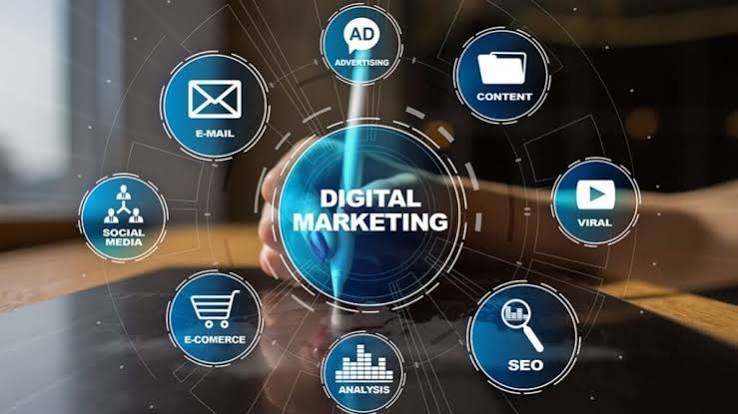
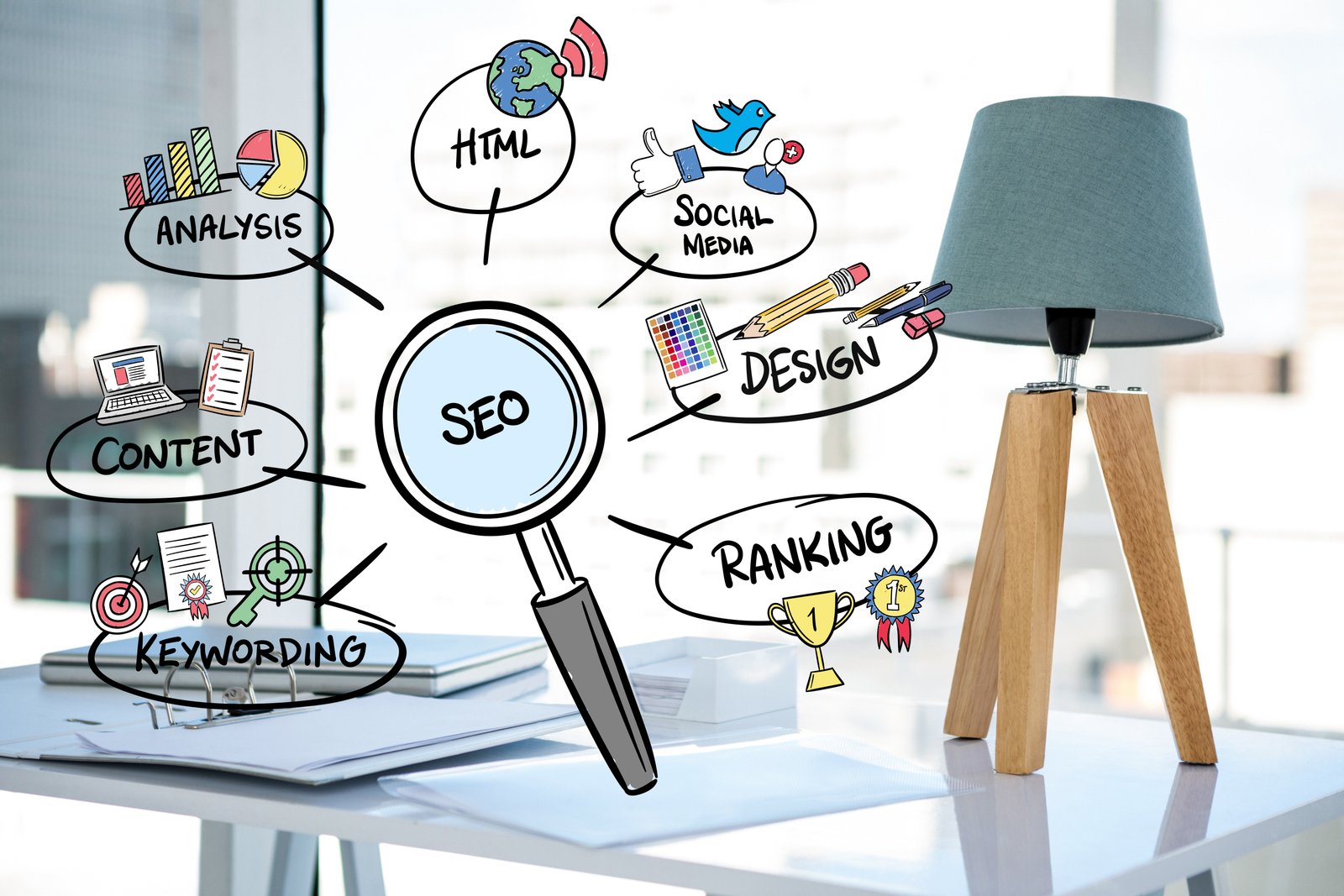
Search engine optimization, otherwise known as SEO, is an integral part of digital marketing. The purpose of this strategy is to assist companies to become visible in search engines and seen by people searching for something.
Contemporary SEO has changed drastically compared to the initial stages of the Internet development. The technique has gone much farther than keywords and link building and includes content, search intent, technical factors, user experience, trust and even artificial intelligence.
What Is SEO?
SEO is the process of optimizing website, its content, technical factors and online presence in such a way that search engines would be able to understand and index it.This, for instance, if someone types in the phrase "digital marketing agency in Thanjavur," then an agency that has optimized its services page, quality and informational content, has relation to Thanjavur, has good website performance and reputation may be shown up in the organic search results.
The components of SEO include: Keyword research, Content optimization, Technical SEO, Internal links, Mobile Optimization, Local SEO, Structured Data, Authority Building.However, modern SEO is not only about keyword usage. The search engines are trying to comprehend the intention behind the search.
How Search Engines Work:
Crawling: is the process when search engines find webpages using links, sitemaps and other signals.
Indexing : is the process when the search engine analyzes and keeps information about the found pages. The engine may analyze text, images, links, structure of the page and other factors.
Ranking : is the process when a user makes a search and the search engine analyzes the relevance of the found pages and builds the list of results.That's why businesses should create the content answering the questions of users and not just repeat keywords.
History of SEO:
SEO started developing in the middle of the 1990s when the search engines started to work.
These first portal communities included Yahoo!, AltaVista, Lycos, and Excite. The web developers felt that if their website was indexed by the portals, then there would be more traffic and possible business prospects.
- At first, SEO was mainly related to page titles, descriptions, keywords and metadata. Since the search engines were not complex, repetition of keywords had a great impact on rankings and caused manipulation methods like keyword stuffing or hidden texts.
- In the late 1990s Google appeared and turned into a real revolution in the search industry because of PageRank. The system estimated the authority of a webpage according to the number of links referring to the page. The links became valuable since they recommended a website from one website to another. However, it led to manipulation methods like link farms and automatic link building.
- During the early 2000s, SEO turned into a business. Firms started spending money on keywords, content, technical aspects, and linking. Slowly search engines started detecting manipulation and low-quality methods.
- In 2011 there was the Panda update helping the search engines to raise the visibility of high-quality content. This encouraged businesses to create useful and comprehensive resources and not to produce a large number of low-quality content.
- In 2012 the Penguin update addressed the manipulation practices regarding links. Gradually the SEO industry started moving from gathering many links to earning relevant and credible links.
- In 2013 there was the Hummingbird update increasing the ability of Google to understand the meaning of searches. Hence SEO started paying attention to topics, context and search intent.
Nowadays Google implements the regular Core Updates improving the quality of searches. It means that there is no permanent formula for achieving a certain position. SEO needs constant improvement.

Why Businesses Need SEO:
some advantages of SEO.
Organic Traffic:
SEO can attract visitors via organic search results. The ranking of the webpage in search engines for relevant queries can provide the business with visitors for a long period of time without paying money for each click.
Cost-effectiveness:
SEO requires investments in content creation, development, tools, research and skills. At the same time, successful pages can bring visitors for months or years providing benefit from the SEO investments in the long run.
Paid advertising can provide immediate visibility, but traffic depends on the active budget of the business. That's why SEO and paid advertising can work together being a part of comprehensive marketing strategy.
Credibility:
Visibility in searches can increase the credibility of a business. If the business has useful content, case studies, reviews, clear contacts and professional website, users will trust it.
Long-term ROI:
SEO can help create the assets providing benefit
Purpose of SEO:
The purpose of SEO has changed quite a bit over the years.
In the beginning SEO was about helping search engines read and list webpages. Then website owners spent all their time on keywords, titles, metadata, links and technical structure.
Nowadays SEO has a bigger goal. SEO is about connecting people with useful information while also helping search engines understand websites.
Modern SEO is, about search intent. Modern SEO focuses on content that's actually helpful, technical accessibility, good user experience, mobile friendly design, fast performance, trust, knowledge, authority, local importance and a clear website structure.Because of this a good SEO plan has to work for both search engines and real people.
SEO Trends and Outlook for 2026:
SEO in 2026 is being shaped by changes in how people search and by advanced search methods.
AI-Powered Search:
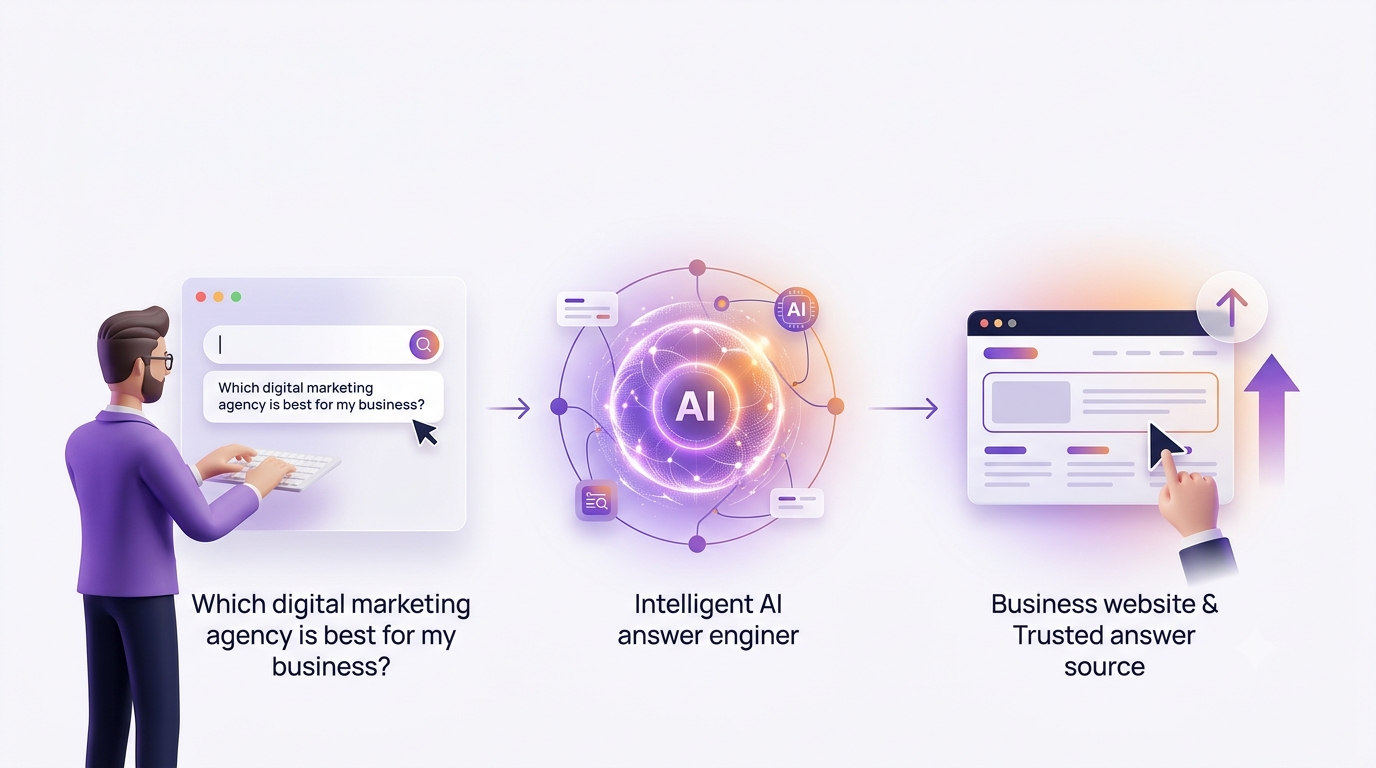
People can now ask questions instead of using short words or phrases. Powered search tools can understand these questions and may bring together information from different sources.
This gives a chance for companies. Businesses must be seen as sources with information, real knowledge, personal experience, unique stories, research and examples.
Just making a lot of content created by AI is not a plan. Companies should focus on sharing information that's really useful.
E-E-A-T :
E-E-A-T stands for Experience, Expertise, Authoritativeness and Trustworthiness.
Experience means having knowledge. Expertise is about knowing a subject. Authority is about being recognized and trusted. Trustworthiness is about whether people can rely on the information and the company that provides it.
Companies can build trust by showing who the author is, giving business details sharing reviews providing case studies showing credentials having policies doing research and making sure the information is correct.
Core Web Vitals :
The experience on a website is still very important. Core Web Vitals include Contentful Paint, Interaction, to Next Paint and Cumulative Layout Shift.
A website needs to load stay steady when viewed work well on mobile phones and make important actions easy to do.A website that is fast is not automatically good. Good performance helps make the overall experience better.
Semantic and Voice Search :
Search is becoming like talking. People might ask questions using phones, voice assistants and AI tools.
Because of this companies should make content about topics and questions making pages for every small change in keywords.
Zero-Click Searches :
Zero-click searches give answers in the search results so people might not always go to a website. Examples are definitions math problems, maps, weather and business details.
Even though this can reduce visits for some searches visibility can still help build brand recognition and awareness.
Mobile-First Search :
Making sure a website works well on devices is now essential. Companies should make sure visitors can read content easily move around pages fill out forms call the business see information and make purchases from a phone.
SEO Strategy for 2026:
Companies should know their audience study why people are searching make content that's helpful improve the websites performance build trust show real experience and gain authority.
Of writing articles companies should make content that is connected to big topics. They should also do research make case studies, share customer data get opinions create videos take photos and provide other information that competitors cannot copy easily.
Measuring SEO results should not be, about rankings. Companies should also look at traffic how times the content is seen, how many people click, how many inquiries come in how many leads are generated, how many calls are made how many sales happen how many conversions take place how much money is made how many times the brand is searched for and other important results.
Conclusion:
I think search engine optimization has changed from being about keywords and metadata into a much broader digital marketing plan.
PageRank made links important for search. Panda focused on content quality for search. Penguin dealt with link building for search. Hummingbird helped search engines understand meaning while Rank Brain increased the use of machine learning for search. Core Updates have continued to make search better.
I believe that in 2026 doing in search engine optimization means being useful, trustworthy, relevant and easy to find. Companies need to know their audience solve problems create content offer an user experience show real expertise and keep changing with what happens in search.
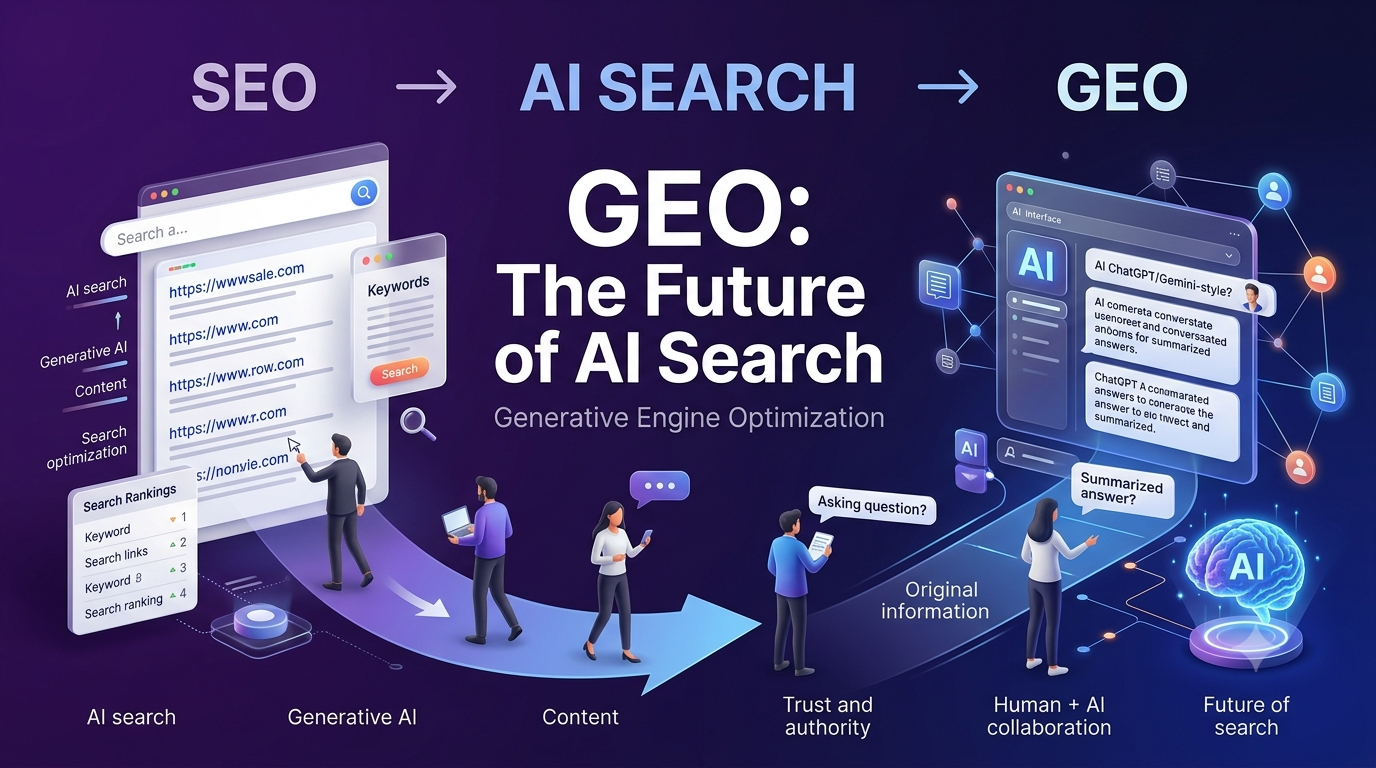
I think that artificial intelligence could change how search results appear. The main idea stays the same: make information that people can understand and trust for search.
I see that the future of search engine optimization is, for companies that mix skill, helpful content, real experience, authority, trust, a good user experience and constant improvement for search.
0 Comments
No comments yet. Be the first to share your thoughts!
Leave a Comment